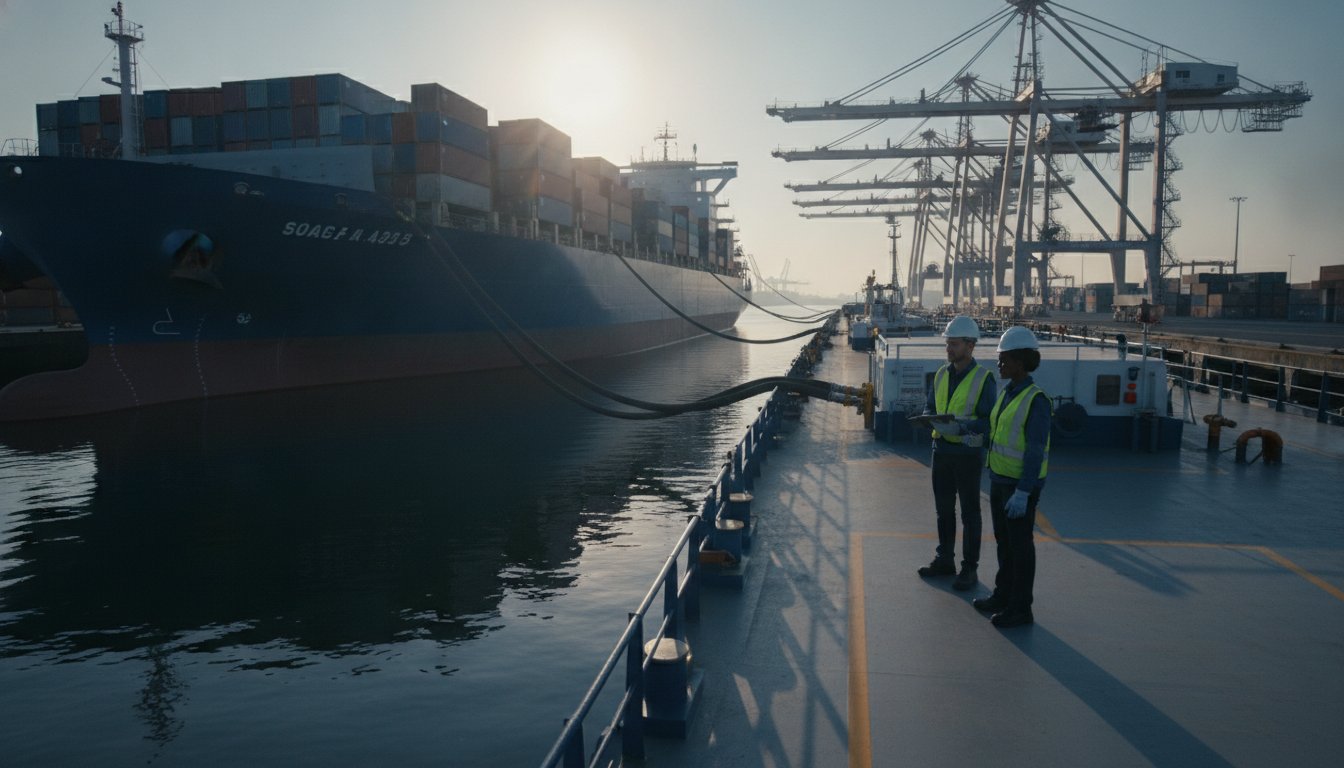
A single batch of off-spec fuel can paralyze a multi-million dollar maritime operation and trigger a cascade of regulatory penalties. You understand that in 2026, the margin for error in bunkering has effectively disappeared. With the recent rollout of ISO 8217:2024 and ASTM D975-26B, evaluating maritime diesel fuel suppliers requires a level of technical scrutiny that goes far beyond a simple price comparison.
Contaminated fuel and logistical delays don't just cost time; they threaten the integrity of your entire supply chain. It's a high-stakes environment where failure isn't an option. This guide provides a rigorous framework to vet your procurement partners for technical compliance and national logistical resilience. We'll outline the specific protocols needed to secure high-integrity fuel sources, minimize operational downtime, and ensure your fleet meets the 0.50% sulfur cap required by IMO 2020 standards. You'll gain the clarity needed to transition from reactive purchasing to a strategic, mission-critical bunkering program that protects your assets and your bottom line.
Key Takeaways
- Transition from commodity-based purchasing to strategic partnerships built on technical compliance, logistical redundancy, and financial stability.
- Verify that maritime diesel fuel suppliers adhere strictly to ISO 8217:2024 and ASTM D975 standards to ensure engine reliability and regulatory compliance.
- Determine the most efficient delivery method for your fleet by analyzing the logistical trade-offs between Truck-to-Ship (TTS) and Barge Bunkering.
- Protect your operations against supply chain disruptions by implementing Service Level Agreements (SLAs) with built-in refinery redundancy.
- Secure high-volume fuel integrity through professional procurement frameworks designed for mission-critical commercial and super yacht bunkering.
Evaluating Maritime Diesel Fuel Suppliers: Core Procurement Criteria
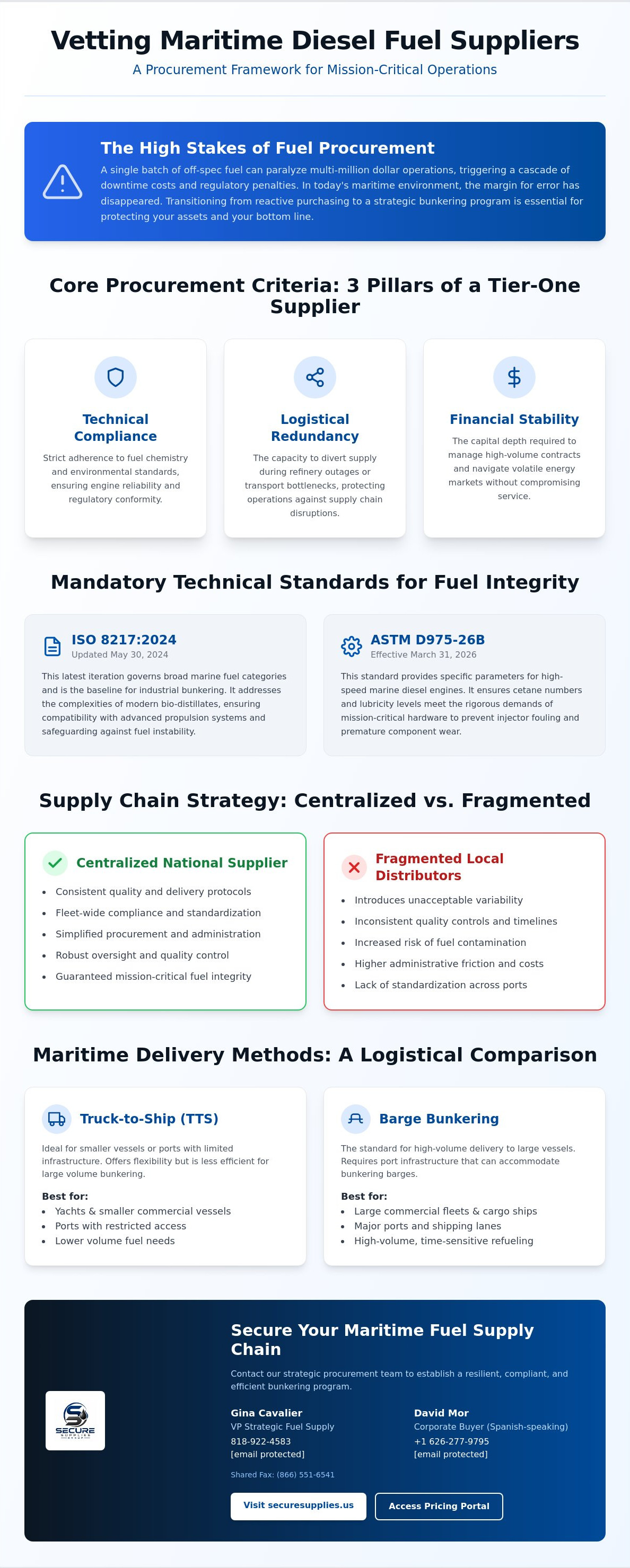
Selecting maritime diesel fuel suppliers is a high-stakes decision that dictates the operational readiness of your fleet. It isn't a simple commodity transaction. In a professional procurement environment, this relationship is a strategic partnership designed to mitigate risk across the entire supply chain. When the cost of industrial downtime can exceed thousands of dollars per hour, the lowest bid often carries the highest risk of failure. A tier-one supplier is defined by three non-negotiable pillars:
- Technical Compliance: Strict adherence to fuel chemistry and environmental standards.
- Logistical Redundancy: The capacity to divert supply during refinery outages or transport bottlenecks.
- Financial Stability: The capital depth required to manage high-volume contracts in volatile markets.
Mission-critical fuel supply means treating energy as infrastructure. For industrial maritime operations, fuel isn't just a line item; it's the fundamental requirement for mission success. National coverage ensures that whether your vessels are in a major port or a remote coastal hub, the quality and delivery protocols remain identical. This consistency is essential for commercial fleets operating across multiple maritime hubs where local variations can compromise engine performance.
The Distinction Between Retail and Maritime Bunkering
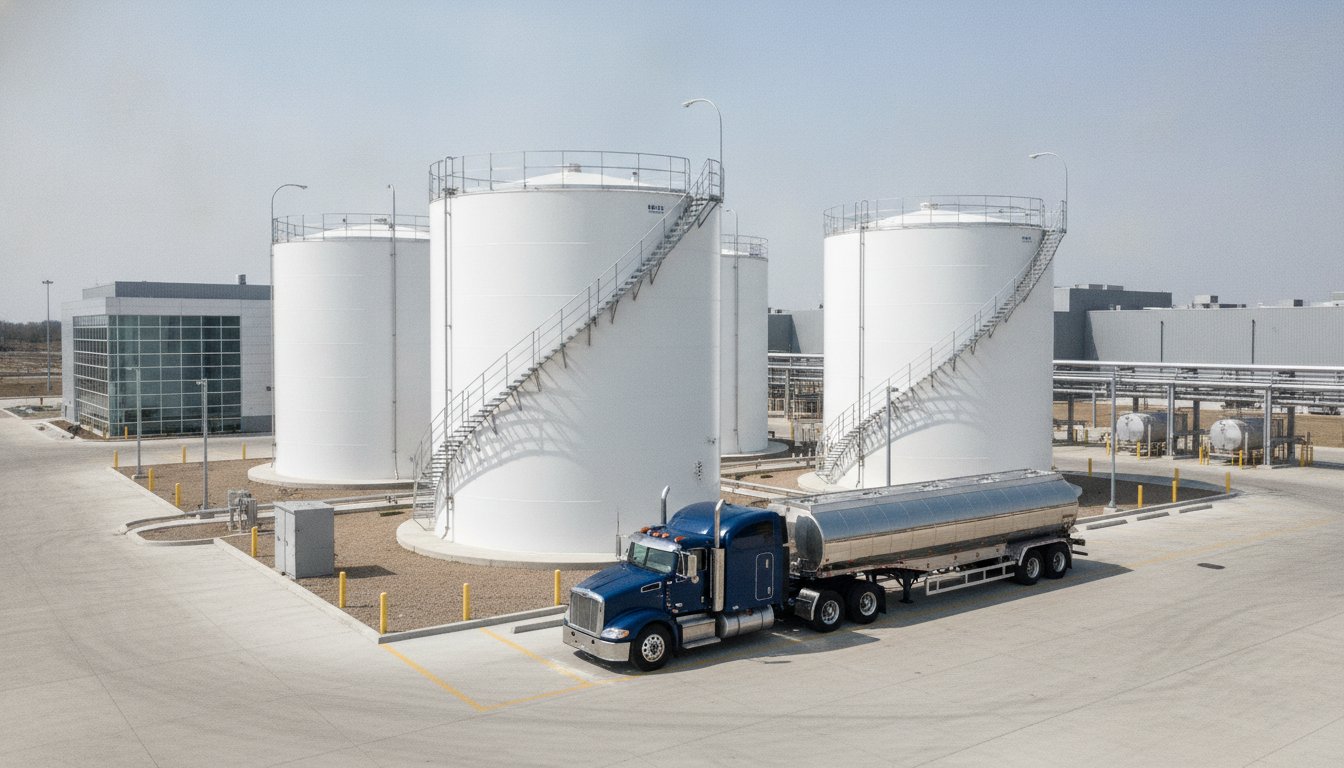
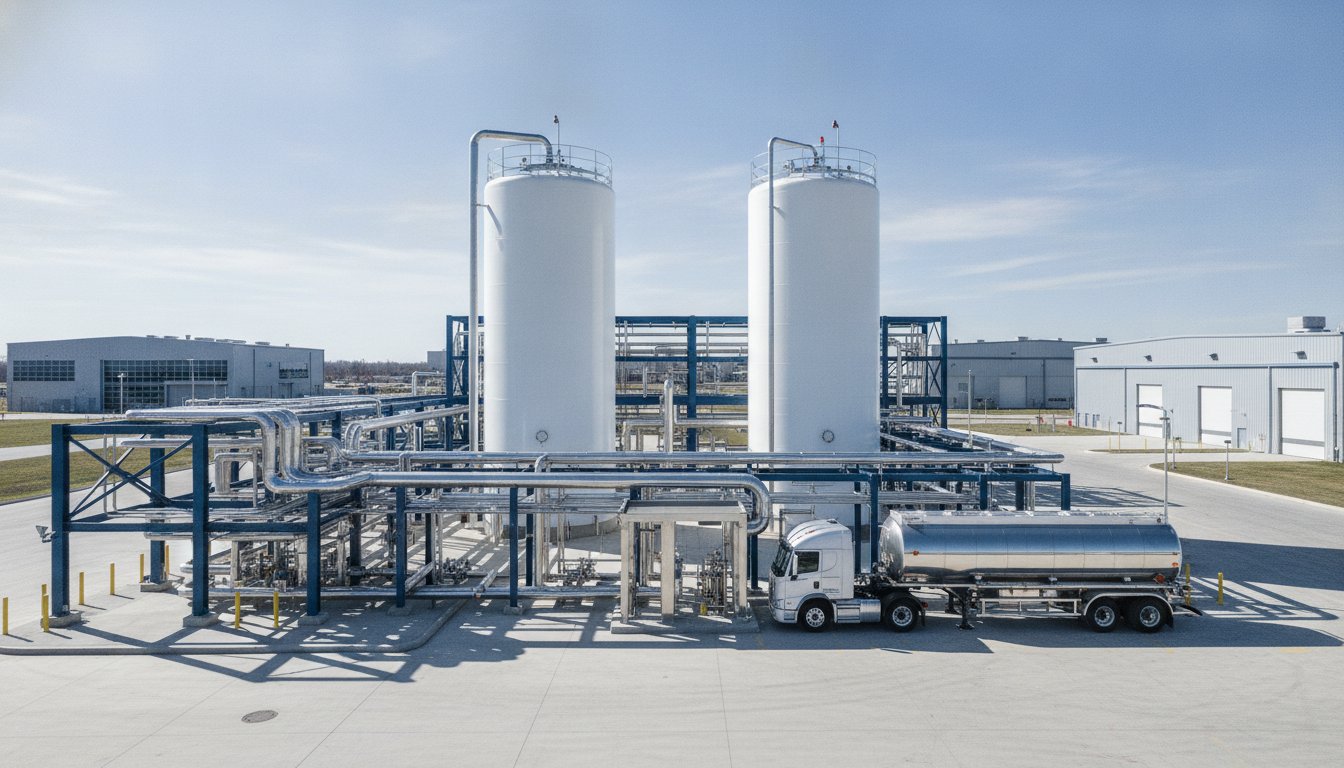
Retail fuel stations are designed for low-volume, high-frequency transactions. They lack the throughput capacity and specialized equipment required for Maritime Diesel bunkering. High-volume delivery requires high-flow pumping systems, specialized hose configurations, and rigorous safety protocols that standard distributors can't provide. Industrial bunkering demands a precision-engineered logistics approach where every liter is accounted for and every safety check is documented to prevent environmental hazards.
National Supply Chain vs. Local Distributors
Relying on a fragmented network of local distributors introduces unacceptable variability into your operations. Every independent distributor maintains different quality controls and delivery timelines. This lack of standardization increases the risk of fuel contamination and administrative friction. Centralizing your procurement through established maritime diesel fuel suppliers provides the oversight necessary to maintain fleet-wide compliance. It allows fleet managers to standardize their procurement based on established maritime fuel classifications, ensuring consistency across every port. Maritime bunkering is a high-volume logistics service requiring specialized infrastructure.
To secure your maritime fuel supply chain, contact our strategic procurement team. Reach Gina Cavalier, VP Strategic Fuel Supply, at 818-922-4583 or [email protected]. For Spanish-speaking procurement, contact David Mor, Corporate Buyer, at +1 626-277-9795 or [email protected]. Both contacts share the fax number (866) 551-6541. Visit securesupplies.us to learn more. To access current pricing information, log in at login.securesupplies.us.
Technical Standards and Fuel Integrity: ISO 8217 and ASTM D975
Engine failure at sea is often traced back to a failure in procurement standards. Professional maritime diesel fuel suppliers don't just deliver fuel; they deliver verified chemistry. Adherence to the ISO 8217:2024 standards is the baseline for any industrial bunkering operation. This latest iteration, published May 30, 2024, addresses the complexities of modern bio-distillates and ensures compatibility with advanced propulsion systems. It's a technical safeguard against the instability often found in lower-tier blends.
While ISO 8217 governs broad marine categories, ASTM D975-26B provides the specific parameters required for high-speed marine diesel engines. As of March 31, 2026, this standard outlines seven grades of diesel fuel oil. It ensures that cetane numbers and lubricity levels meet the rigorous demands of mission-critical hardware. Failure to match the fuel grade to the engine's technical requirements leads to injector fouling and premature component wear. You can't afford to treat these specifications as optional.
Maintaining integrity during long-term storage is equally vital. Water ingress and microbial growth represent the primary threats to fuel stability. Professional suppliers utilize fuel polishing and high-performance additives to stabilize the fuel and prevent sludge formation. These measures are non-negotiable for vessels with low turnover rates or those operating in high-humidity environments where condensation is constant.
Regulatory Compliance and Environmental Standards
Compliance begins with sulfur limits. Within Emission Control Areas (ECAs), EPA regulations mandate a strict 0.10% sulfur limit, while the global IMO 2020 cap remains at 0.50%. Every delivery must be accompanied by a Bunker Delivery Note (BDN) that accurately reflects these values. Maintaining a clear chain of custody for fuel samples is your primary defense against legal and operational liability. Professional suppliers ensure that every sample is sealed and logged according to MARPOL Annex VI requirements.
Fuel Quality Assurance Protocols
Evaluating maritime diesel fuel suppliers requires a look at their testing rigor. A reliable partner performs testing before the fuel reaches your tanks. This includes visual "clear and bright" checks alongside laboratory analysis for flash point, density, and viscosity. These protocols verify that the fuel hasn't been cross-contaminated during transport. For a deeper look at managing these complex supply chains, consult the Professional Guide to Maritime Fuel Logistics. If you need to verify your current fleet's compliance status, you can request a technical consultation to review your requirements.
To secure your maritime fuel supply chain, contact our strategic procurement team. Reach Gina Cavalier, VP Strategic Fuel Supply, at 818-922-4583 or [email protected]. For Spanish-speaking procurement, contact David Mor, Corporate Buyer, at +1 626-277-9795 or [email protected]. Both contacts share the fax number (866) 551-6541. Visit securesupplies.us to learn more. To access current pricing information, log in at login.securesupplies.us.
Comparing Maritime Delivery Methods: Truck-to-Ship vs. Barge Bunkering
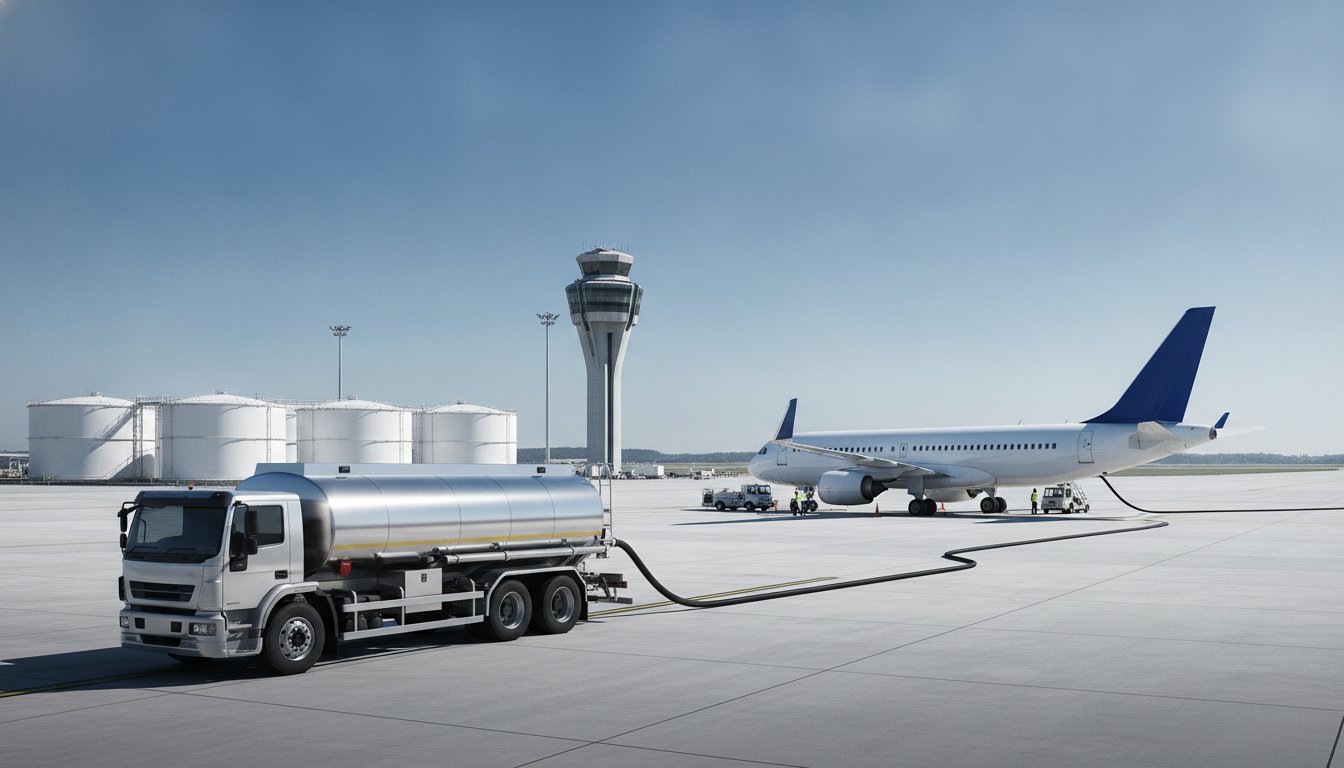
Selecting the correct transfer method is a logistical decision that directly impacts your vessel's turnaround time and total port costs. Professional maritime diesel fuel suppliers offer two primary delivery modes: Truck-to-Ship (TTS) and Barge Bunkering. The choice depends entirely on the vessel's scale, the volume required, and the specific energy infrastructure available at the terminal. Smaller commercial vessels and super yachts often utilize TTS logistics because of the high degree of flexibility and lower mobilization costs. This method allows for precise, metered delivery directly from a tank truck parked on the pier, making it ideal for tight berths where barge access is restricted.
Large-scale industrial vessels require a different approach to maintain operational speed. For these assets, barge bunkering is the standard for high-volume throughput. It eliminates the need for pier-side access and allows for simultaneous cargo operations and refueling. Barge bunkering is preferred for volumes exceeding 100,000 gallons to ensure operational speed. This method utilizes specialized bunker barges equipped with high-capacity pumps that can deliver fuel at thousands of gallons per minute, significantly reducing the time a vessel spends at the terminal.
Logistical Efficiency and Turnaround Times
Downtime in the maritime industry is a massive financial liability. Every hour spent bunkering is an hour not spent in transit or cargo operations. Method selection determines your exposure to port fees and labor costs. Precise scheduling is the backbone of maritime logistics. A delay of even two hours can cause a vessel to miss its tide window or lose its berth priority. Tier-one suppliers manage these variables by coordinating closely with port authorities and terminal operators to ensure the fuel is staged and ready the moment the vessel is cleared for bunkers.
Safety and Spill Prevention Protocols
Transferring fuel over water carries inherent environmental risks that demand rigorous safety protocols. All transfers must comply with DOT and USCG requirements to prevent accidental discharge. This includes the use of containment booms, emergency shut-off valves, and constant communication between the vessel's bunkering officer and the supplier's personnel. Adhering to U.S. EPA marine fuel standards ensures that the fuel itself meets environmental regulations, but the physical transfer requires specialized Bulk Fuel Delivery infrastructure. Each delivery method uses specific safety equipment designed to mitigate the risks associated with high-pressure fuel transfers in a marine environment.
To secure your maritime fuel supply chain, contact our strategic procurement team. Reach Gina Cavalier, VP Strategic Fuel Supply, at 818-922-4583 or [email protected]. For Spanish-speaking procurement, contact David Mor, Corporate Buyer, at +1 626-277-9795 or [email protected]. Both contacts share the fax number (866) 551-6541. Visit securesupplies.us to learn more. To access current pricing information, log in at login.securesupplies.us.
Evaluating Supply Chain Resilience and Supplier SLAs
Operational continuity depends on the contractual strength of your maritime diesel fuel suppliers. A professional procurement strategy prioritizes Service Level Agreements (SLAs) that go beyond price per gallon. These agreements must codify delivery windows, fuel quality guarantees, and specific penalties for non-performance. Without these protections, your fleet is vulnerable to the logistical whims of a volatile market. Contracts should explicitly define the response times for mission-critical refueling and the protocols for handling off-spec fuel discoveries.
Redundancy is the cornerstone of supply chain security. If a primary refinery source is disrupted, a resilient supplier must have immediate access to secondary terminals or strategic reserves. Evaluate your partners based on their physical infrastructure and terminal access rights. A supplier with a single point of failure is a liability to your fleet. You need a partner that acts as a logistics architect, capable of rerouting fuel across national supply chains to maintain your operational tempo.
Maritime operations don't stop at 5:00 PM. Access to 24/7 emergency response is a baseline requirement for industrial bunkering. Whether it's a sudden change in vessel schedule or an urgent fuel polishing requirement, your supplier must have the personnel and equipment ready to deploy at any hour. This readiness ensures that your critical infrastructure remains powered, regardless of external disruptions.
Financial indicators are just as important as technical ones. High-stakes energy infrastructure projects require a partner with the capital depth to manage large-scale credit lines and hedging strategies. Verify that your supplier has the financial resilience to withstand market shocks and maintain stable delivery during economic downturns. A stable balance sheet is your best guarantee of long-term partnership reliability.
Risk Management in Volatile Energy Markets
Volatility is a constant in the global bunker market. Tier-one suppliers mitigate these fluctuations by maintaining strategic reserves and offering transparent, index-based pricing. This transparency allows procurement officers to make data-driven decisions rather than reacting to daily market noise. Real-time data access is essential for managing fuel spend across multiple sites. To manage your fleet's budget effectively, you can access real-time data and current pricing through login.securesupplies.us.
Audit Trails and Reporting Requirements
Corporate governance and environmental regulations demand flawless record-keeping. Robust reporting features are necessary for both financial and environmental audits, including MARPOL Annex VI compliance. Automated tank monitoring and digital delivery tickets eliminate manual errors and provide a tamper-proof audit trail. These systems ensure that every drop is accounted for and every regulation is met. For a broader perspective on large-scale coordination, review our guide on Strategic Bulk Fuel Logistics. If you're ready to audit your current supply chain for vulnerabilities, request a professional procurement review today.
To secure your maritime fuel supply chain, contact our strategic procurement team. Reach Gina Cavalier, VP Strategic Fuel Supply, at 818-922-4583 or [email protected]. For Spanish-speaking procurement, contact David Mor, Corporate Buyer, at +1 626-277-9795 or [email protected]. Both contacts share the fax number (866) 551-6541. Visit securesupplies.us to learn more. To access current pricing information, log in at login.securesupplies.us.
Secure Supplies Group: Professional Maritime Bunkering Solutions
Secure Supplies Group operates as the essential backbone for national maritime energy logistics. We provide the infrastructure and technical oversight required to manage high-volume supply chains for commercial fleets and super yachts. In an era of tightening environmental mandates and volatile energy markets, we act as a strategic guardian for your fuel procurement. Our operations are designed to eliminate the risks of contamination and logistical failure that often plague fragmented supply networks. We don't just deliver fuel; we secure your operational continuity.
Managing a national fleet requires more than just diesel. Our bunkering programs provide a comprehensive approach to fluid management by integrating DEF/AdBlue supply directly into your maritime logistics. This integration ensures that your vessels remain 100% compliant with EPA and IMO 2020 standards without the administrative burden of managing multiple vendors. We focus on the minute details of delivery and compliance so your team can focus on mission-critical navigation and cargo operations. Every liter we deliver meets the rigorous ISO 8217 and ASTM D975 specifications discussed in this guide.
Our commitment to mission-critical reliability is reflected in our national reach. We provide consistent fuel integrity across all major maritime hubs, ensuring that your procurement standards remain uniform regardless of the port of call. This level of scale allows us to offer the logistical redundancy and financial stability necessary to support large-scale industrial maritime projects. As one of the leading maritime diesel fuel suppliers, we prioritize security and preparedness in every contract.
Strategic Fuel Supply Leadership
The success of a bunkering program depends on the expertise of the team managing the logistics. Gina Cavalier, our VP of Strategic Fuel Supply, brings decades of experience in managing complex energy infrastructure and high-stakes fuel delivery. Her leadership ensures that every client receives a tailored logistics framework designed for maximum efficiency. David Mor, our Corporate Buyer, provides essential support for Spanish-speaking procurement and handles the intricate details of large-scale fuel acquisition. Our team operates with a mission-critical mindset where failure is never an option. We understand the gravity of industrial downtime and work tirelessly to prevent it.
Contact and Procurement Information
Securing a reliable energy partner is the first step toward long-term operational stability. For large-scale maritime fuel inquiries and professional bunkering solutions, contact our strategic procurement team directly. We are prepared to review your fleet requirements and outline a comprehensive supply chain strategy that meets the demands of 2026 and beyond.
Gina Cavalier, VP Strategic Fuel Supply
Phone: 818-922-4583
Email: [email protected]
David Mor, Corporate Buyer (Spanish-speaking procurement)
Phone: +1 626-277-9795
Email: [email protected]
Fax: (866) 551-6541
Visit securesupplies.us to explore our full range of energy infrastructure solutions. To access real-time market data and current pricing information for your maritime operations, log in at login.securesupplies.us.
Securing Your Maritime Energy Infrastructure for 2026
The transition to ISO 8217:2024 standards and the increasing complexity of global logistics mean your choice of maritime diesel fuel suppliers is now a fundamental risk management decision. Moving beyond simple commodity transactions to a strategic partnership ensures your fleet maintains strict technical compliance while eliminating the threat of fuel-related downtime. Prioritizing national supply chain redundancy and specialized programs for commercial fleets and super yachts provides the stability required to navigate a volatile energy market. It's a high-stakes environment where you need a partner that views fuel as mission-critical infrastructure.
Secure your operational continuity by aligning with a logistics architect capable of managing the minute details of delivery and regulatory standards. Our team is ready to help you implement a procurement framework that guarantees technical integrity and logistical precision at every port of call.
Contact our Strategic Fuel Supply team for a maritime logistics consultation to ensure your fleet is prepared for the challenges of 2026.
Gina Cavalier, VP Strategic Fuel Supply
818-922-4583 | [email protected]
David Mor, Corporate Buyer (Spanish-speaking procurement)
+1 626-277-9795 | [email protected]
Fax: (866) 551-6541
Access current pricing information at login.securesupplies.us or visit securesupplies.us for more information.
Frequently Asked Questions
What are the primary ISO standards for maritime diesel fuel?
ISO 8217:2024 is the current international standard for marine fuels. Published on May 30, 2024, this version includes specific categories for bio-distillate fuels and allows for up to 100% FAME content in certain grades. It provides the technical framework for density, viscosity, and flash point requirements across four distinct fuel tables.
Can maritime diesel suppliers provide fuel for super yachts at private docks?
Yes, professional suppliers utilize Truck-to-Ship (TTS) logistics to service super yachts at private docks and marinas. This method employs specialized pumping equipment and containment protocols designed for restricted access areas. It ensures that high-volume transfers remain compliant with local environmental regulations while maintaining the technical integrity of the fuel.
How does truck-to-ship delivery differ from barge bunkering in terms of cost?
Truck-to-ship delivery typically carries lower mobilization fees, making it cost-effective for smaller volumes. Barge bunkering involves higher initial costs due to vessel deployment but offers superior economies of scale for large-scale transfers. Barge bunkering is the preferred method for volumes exceeding 100,000 gallons where operational speed is the primary financial driver.
What documentation is required for maritime fuel compliance in US waters?
Compliance in U.S. waters requires a Bunker Delivery Note (BDN) and representative fuel samples as mandated by MARPOL Annex VI. The BDN must verify that the fuel meets the 0.10% sulfur limit required in Emission Control Areas (ECAs). Procurement officers must also maintain records of the fuel's density and flash point for both EPA and USCG audits.
How do suppliers ensure maritime fuel remains stable during long-term storage?
Professional maritime diesel fuel suppliers utilize a combination of fuel polishing and high-performance additives to maintain stability. These protocols prevent microbial growth and oxidative breakdown during periods of low vessel activity. Regular testing for water ingress and particulate contamination is essential for protecting high-speed marine diesel engines from premature wear.
Does Secure Supplies Group offer national maritime fuel delivery?
Secure Supplies Group manages a national logistical network that provides consistent bunkering services across all major U.S. maritime hubs. We prioritize supply chain redundancy to ensure that refinery disruptions don't impact your fleet's operational tempo. Our national reach allows for standardized procurement and quality control across multiple port locations.
What is the role of a Bunker Delivery Note (BDN) in procurement?
The BDN serves as the primary legal and technical record of a fuel transfer. It documents the exact volume, sulfur content, and physical properties of the delivered product. This document is critical for environmental compliance and serves as the foundational data point for financial audits and fuel consumption tracking.
How can I access real-time maritime diesel pricing?
Authorized procurement officers can access real-time, index-based pricing through our secure portal. This system provides the transparency needed for accurate budget forecasting and strategic purchasing. You can log in at login.securesupplies.us to view current rates and manage your maritime energy contracts.
To secure your maritime fuel supply chain, contact our strategic procurement team. Reach Gina Cavalier, VP Strategic Fuel Supply, at 818-922-4583 or [email protected]. For Spanish-speaking procurement, contact David Mor, Corporate Buyer, at +1 626-277-9795 or [email protected]. Both contacts share the fax number (866) 551-6541. Visit securesupplies.us to learn more. To access current pricing information, log in at login.securesupplies.us.
Disclaimer
The information provided in this article is for general informational purposes only and does not constitute professional, legal, safety, or financial advice. Fuel and energy product specifications, pricing, availability, and regulatory requirements vary by location, application, and over time, and may differ from the general information presented here. Secure Supplies makes no warranties regarding the accuracy, completeness, or current applicability of this content. Handling, storage, and use of fuels and industrial gases can be hazardous and should always follow applicable laws, manufacturer guidance, and qualified professional advice. For current specifications, pricing, and tailored supply solutions, please contact Secure Supplies directly.