Strategic fuel reserve management is no longer a government safety net. It is a mandatory operational pillar for every private industrial facility. You know that relying on just-in-time delivery during a national emergency is a gamble your organization cannot afford. One supply chain fracture can halt production, spike costs, and compromise mission-critical infrastructure. It's a high-stakes environment where the difference between continuity and collapse depends on the fuel you've secured today.
This guide provides the blueprint to master the complexities of industrial fuel reserves. You'll learn how to ensure operational resilience and supply chain security even in a volatile energy market. We'll break down the technical requirements for maintaining fuel integrity under revised ASTM D396-26a standards and navigate rigid EPA regulations for bulk storage. From preventing fuel degradation to optimizing your backup power strategy, we provide the logistical foresight needed to keep your facility online when the grid fails. Failure is not an option for critical infrastructure. We'll help you build the redundancy your operations require.
Key Takeaways
- Distinguish between short-term emergency supplies and long-term resilience strategies to prevent catastrophic operational downtime.
- Protect fuel integrity from oxidation and microbial growth by adhering to ASTM D975 standards and rigid EPA bulk storage regulations.
- Compare corporate energy programs with federal reserves to scale your infrastructure for specific business continuity requirements.
- Execute a site-specific energy audit to determine the optimal storage footprint for effective strategic fuel reserve management.
- Partner with specialized logistics architects to secure high-volume supply chains for data centers, fleets, and maritime operations.
Defining Strategic Fuel Reserve Management for Industrial Operations
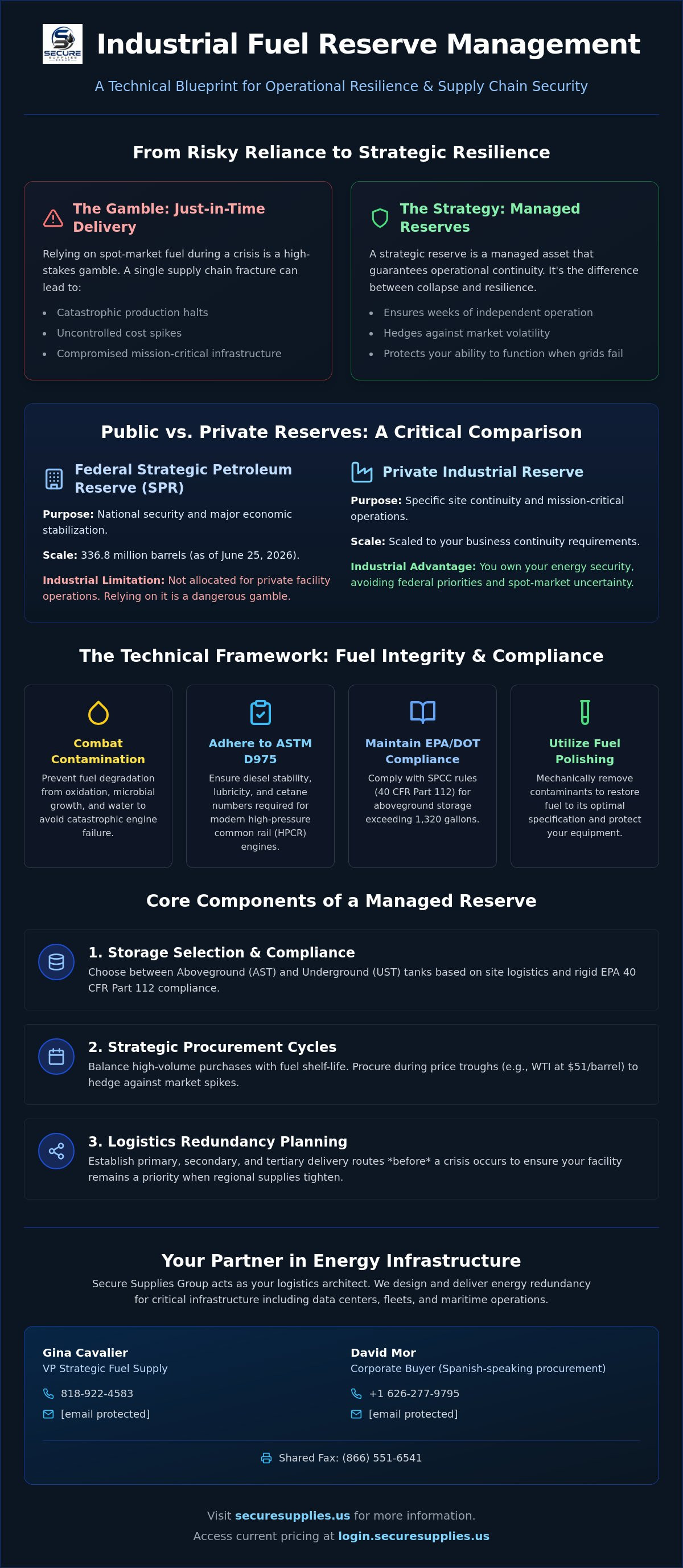
Strategic fuel reserve management is the systematic procurement, storage, and maintenance of energy assets to prevent operational downtime. It isn't a simple backup plan. It's a mission-critical architecture. While Global strategic petroleum reserves exist to stabilize national economies, private industrial reserves protect specific site continuity. An emergency supply covers a few hours of localized failure. A strategic reserve ensures weeks of independent operation during a sustained regional crisis. You don't just store fuel; you manage a critical asset that guarantees your ability to function when the external supply chain fails.
Market volatility in 2026 makes private energy stockpiling a fiscal necessity. With West Texas Intermediate (WTI) prices projected to average $51 per barrel this year, bulk procurement during price troughs offers a significant hedge against sudden market spikes. Integrating these reserves into a broader energy infrastructure project allows for a seamless transition from grid power to independent assets. This level of preparedness is the backbone of industrial resilience.
The Shift from Public to Private Energy Security
Relying on the federal Strategic Petroleum Reserve (SPR) is a dangerous gamble for private industry. As of June 25, 2026, the SPR inventory stands at 336.8 million barrels. These resources are earmarked for national security and major economic disruptions, not the daily operational needs of manufacturing plants or data centers. Grid instability is a growing reality. You must own your energy security to avoid being at the mercy of federal priorities. Bulk procurement during periods of low demand stabilizes your operational budget and removes the uncertainty of spot-market pricing during a supply chain fracture.
Core Components of a Managed Reserve
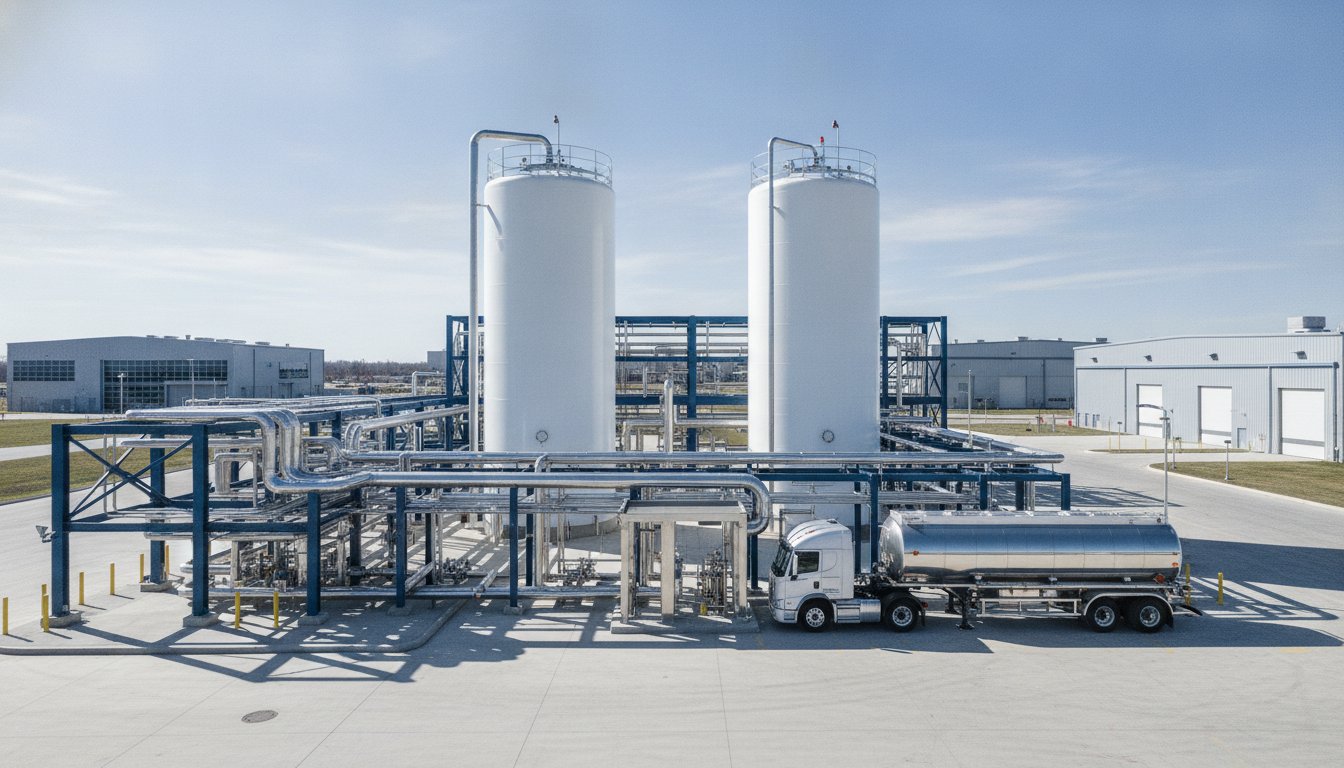
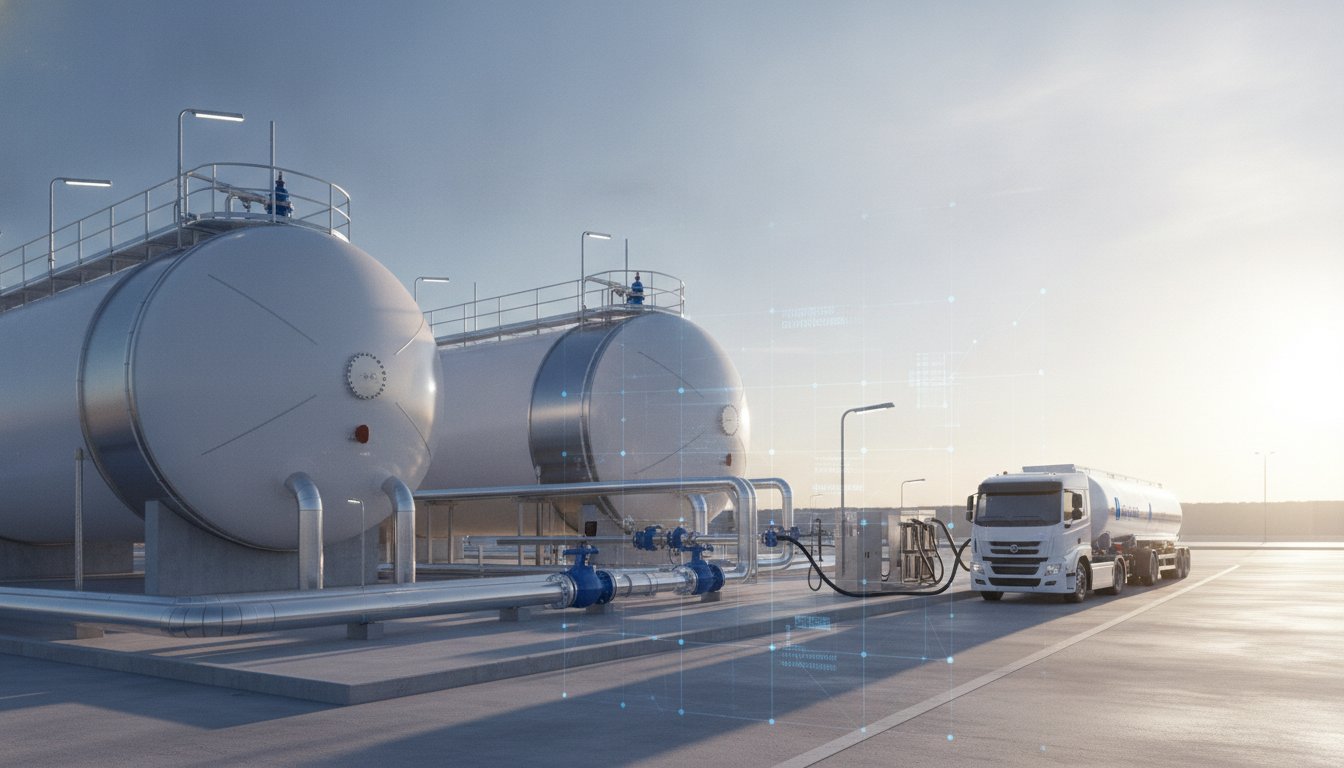
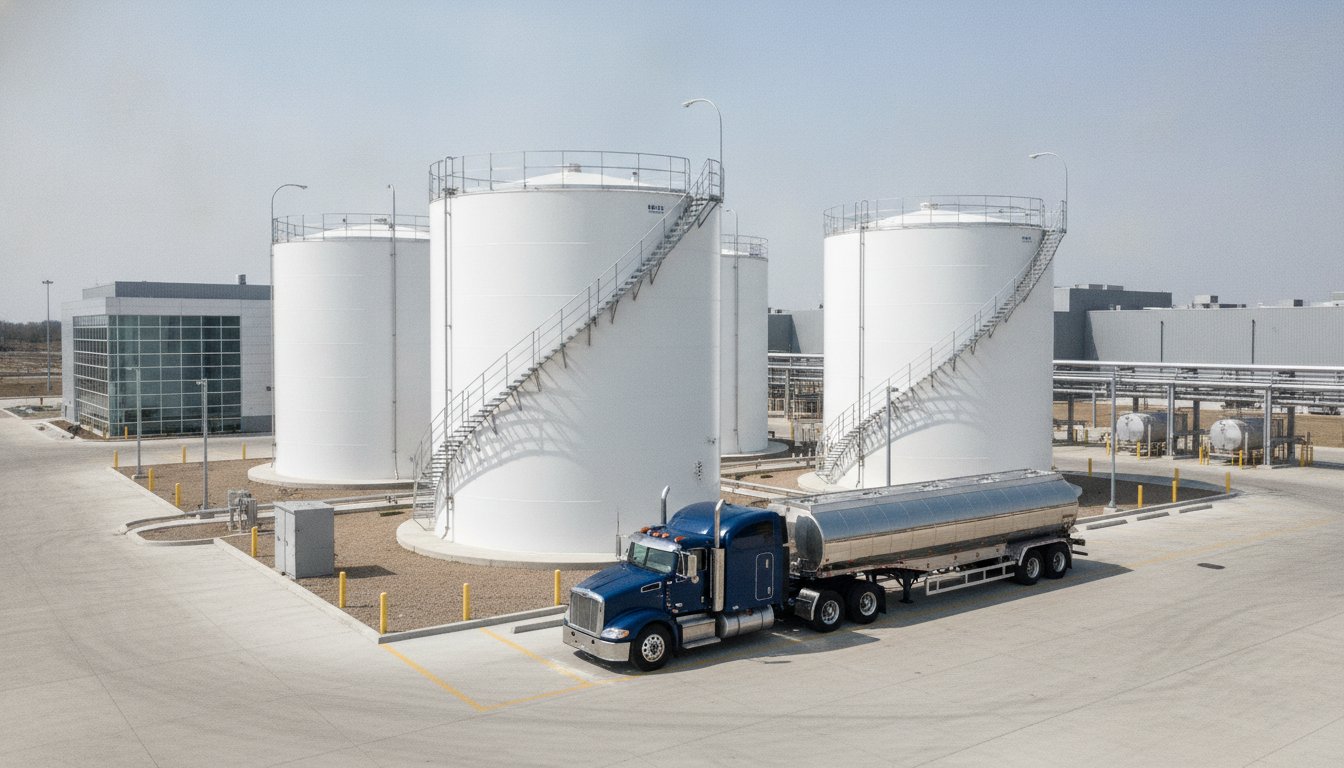
Reliable storage requires more than just capacity. You must choose between aboveground storage tanks (AST) and underground storage tanks (UST) based on site logistics and EPA 40 CFR Part 112 compliance. Procurement cycles must balance high-volume purchases with the specific shelf-life of the fuel. High-volume storage demands a plan for logistics redundancy. Establish secondary and tertiary delivery routes before a crisis occurs. This ensures that your facility remains the priority when regional supplies tighten. Meticulous planning is the only way to transform a storage tank into a strategic asset.
Secure Supplies Group acts as your logistics architect. We design and deliver energy redundancy for critical infrastructure. Contact our team to secure your supply chain:
Gina Cavalier, VP Strategic Fuel Supply
818-922-4583 | [email protected]
David Mor, Corporate Buyer (Spanish-speaking procurement)
+1 626-277-9795 | [email protected]
Fax: (866) 551-6541
Visit securesupplies.us for more information.
Log in to login.securesupplies.us to access current pricing information.
The Technical Framework: Fuel Integrity and ASTM Standards
Refined products aren't static assets. Unlike the crude oil stored in the U.S. Strategic Petroleum Reserve (SPR), industrial fuels like diesel and aviation gas begin to degrade the moment they leave the refinery. Effective strategic fuel reserve management demands a rigorous technical framework to combat oxidation, microbial growth, and water contamination. If you ignore these chemical realities, your reserve becomes a liability rather than an asset. Contaminated fuel leads to clogged filters, injector failure, and catastrophic engine downtime during a crisis. You can't afford to discover a fuel quality issue when the grid is already down.
Adherence to ASTM D975 is the baseline for diesel stability in 2026. This standard ensures the fuel maintains the necessary lubricity and cetane numbers for modern high-pressure common rail (HPCR) engines. Regulatory oversight from the EPA and DOT adds another layer of complexity to your storage strategy. Facilities with aboveground storage exceeding 1,320 gallons must comply with the Spill Prevention, Control, and Countermeasure (SPCC) rule under 40 CFR Part 112. Fuel polishing is the mechanical process of removing contaminants to restore fuel to spec. Successful strategic fuel reserve management relies on this intersection of chemistry and compliance. Maintaining these standards requires a proactive technical audit of your current storage infrastructure.
Chemical Stability in Long-Term Storage
Ultra-low sulfur diesel (ULSD) presents unique challenges compared to legacy high-sulfur fuels. It's highly hygroscopic, meaning it actively pulls moisture from the air. This water accumulation creates a breeding ground for microbial colonies, often called "diesel bug," which can ruin an entire tank in months. You've got to integrate high-grade biocides and oxidative stabilizers into your management cycle. Don't rely on annual testing. Move to a quarterly monitoring protocol to catch chemical shifts before they require expensive remediation. This frequency is essential for mission-critical sites like data centers and hospitals.
Compliance and Safety Standards
Safety is non-negotiable in high-volume energy infrastructure. Industrial fuel farms require secondary containment systems capable of holding 110% of the largest tank's capacity. Fire safety protocols must align with local zoning and NFPA 30 codes to mitigate the risks of bulk storage. Documentation is your primary defense during an inspection. Keep meticulous records of tank tightness testing, leak detection, and environmental reporting. This level of detail ensures your facility remains compliant with both federal mandates and local safety requirements. It's about protecting your personnel just as much as your equipment.
Secure Supplies Group provides the expertise required to maintain mission-critical fuel integrity. Contact our strategic supply team to discuss your infrastructure needs:
Gina Cavalier, VP Strategic Fuel Supply
818-922-4583 | [email protected]
David Mor, Corporate Buyer (Spanish-speaking procurement)
+1 626-277-9795 | [email protected]
Fax: (866) 551-6541
Visit securesupplies.us for more information.
Log in to login.securesupplies.us to access current pricing information.
Private vs. Public Reserves: Navigating Operational Scale
Public and private reserves serve the same fundamental goal of energy security but operate at vastly different scales. While the federal government manages millions of barrels to protect the national economy, your facility manages thousands to protect specific operational outcomes. Control is the primary differentiator. Federal reserves are blunt instruments designed for macro-shocks. Private reserves are precision tools designed for site-specific continuity. Understanding these differences is central to effective strategic fuel reserve management. You aren't just storing fuel; you're building an independent energy island.
The scale of operations defines the response speed. Federal stockpiles move through a complex bureaucracy before reaching the market. Your industrial reserve must be ready to deploy in minutes. This immediate availability is what separates a resilient operation from one vulnerable to the next supply chain fracture. Trigger events in a commercial setting are often localized, such as a regional grid failure or a primary supplier's logistics collapse. When these events occur, you cannot wait for federal intervention. You must have the assets on-site and ready for consumption.
The Federal SPR Model
The Department of Energy (DOE) manages the federal Strategic Petroleum Reserve (SPR) under strict executive oversight. Its primary purpose is shielding the national economy from global supply crunches. As part of the IEA emergency response system, the U.S. maintains stocks equivalent to at least 90 days of net oil imports. However, these reserves have significant limitations for private industry. It takes approximately 13 days for SPR oil to enter the market after a Presidential decision. This delay, combined with regional distribution bottlenecks, means federal oil won't arrive in time to save a failing data center or a halted production line.
Industrial Reserve Strategies
Industrial reserves operate under the direct oversight of facility directors and automated monitoring systems. The primary goal is maintaining 99.999% uptime for critical infrastructure. For high-stakes environments, Bulk Fuel Delivery for Data Centers ensures that energy assets are always within spec and ready for immediate drawdown. Private strategies offer the advantage of customized fuel specifications, such as premium diesel blends with specific biocides. This ensures your equipment receives the highest quality fuel exactly when it's needed, bypassing the uncertainty of the general market during a crisis.
Secure Supplies Group provides the logistical foresight required to manage high-volume energy reserves. Contact our strategic supply team to secure your operations:
Gina Cavalier, VP Strategic Fuel Supply
818-922-4583 | [email protected]
David Mor, Corporate Buyer (Spanish-speaking procurement)
+1 626-277-9795 | [email protected]
Fax: (866) 551-6541
Visit securesupplies.us for more information.
Log in to login.securesupplies.us to access current pricing information.
Implementation Guide: Establishing a Resilient Fuel Supply Chain
Effective strategic fuel reserve management begins with a site-specific energy audit. You must determine your exact reserve requirements by analyzing peak consumption windows and critical load demands. Don't guess your capacity needs. Calculate the fuel volume required to sustain operations for at least 96 hours without external support. This data dictates your storage footprint. Designing this footprint involves more than just tank sizing. You must consider location logistics, secondary containment accessibility, and proximity to primary power generation equipment. Every foot of piping is a potential point of failure. Minimize complexity to maximize reliability.
Selecting a bulk fuel logistics partner with national reach is the next critical step. Local vendors often fail during regional emergencies because their own supply chains collapse. You need a partner that manages high-volume energy infrastructure and possesses the assets to bypass regional bottlenecks. Integrate real-time tank monitoring and automated replenishment systems into your design. These systems remove the risk of human error in inventory tracking. They ensure your reserve is always at the necessary levels before a crisis hits. To get started, you should request a comprehensive infrastructure assessment to identify gaps in your current setup.
Logistics and Procurement Planning
Establish rigid Service Level Agreements (SLAs) for emergency refueling. Your contract should guarantee priority delivery during declared emergencies. Don't rely on a single fuel type. Diversify your supply by integrating diesel, CNG/LNG, and industrial gases to create multiple layers of energy redundancy. For organizations managing large-scale transport, Bulk Diesel for Trucking Fleets provides a blueprint for maintaining mobility when the retail market freezes. Procurement cycles should favor bulk purchases during price troughs to optimize your operational budget.
Maintenance and Fuel Polishing
Schedule preventative maintenance for all pumps and filtration systems on a strict quarterly basis. Fuel polishing offers a far higher ROI than total fuel replacement. It restores degraded assets to ASTM D975 specifications at a fraction of the cost of new procurement. Train your on-site staff for immediate emergency reserve deployment. They must know how to switch from grid to reserve power manually if automated systems fail. Preparedness is a perishable skill. Run regular drills to ensure your team is ready for high-stakes scenarios. This proactive stance is the only way to guarantee industrial continuity.
Secure Supplies Group provides the expertise required to maintain mission-critical fuel integrity. Contact our strategic supply team to discuss your infrastructure needs:
Gina Cavalier, VP Strategic Fuel Supply
818-922-4583 | [email protected]
David Mor, Corporate Buyer (Spanish-speaking procurement)
+1 626-277-9795 | [email protected]
Fax: (866) 551-6541
Visit securesupplies.us for more information.
Log in to login.securesupplies.us to access current pricing information.
Secure Supplies Group: Your Partner in Energy Infrastructure
Secure Supplies Group operates as a logistics architect for mission-critical infrastructure. We provide the technical expertise and operational scale required for complex strategic fuel reserve management. Our team understands the gravity of industrial downtime. We manage the big picture of your energy supply while securing the minute details of delivery and compliance. We specialize in comprehensive energy infrastructure project management, moving from initial design to final delivery. This ensures your facility maintains a Strategic Bulk Fuel Logistics Pillar that remains resilient during national emergencies or supply chain fractures. We don't just deliver fuel; we manage the lifecycle of your energy assets.
Our national supply chain reach allows us to deliver diesel, CNG/LNG, and aviation fuels to multi-site operations. This scale is vital for bypassing the regional bottlenecks that often paralyze smaller vendors during a crisis. We prioritize operational continuity over marketing fluff. Our focus is on providing a steady hand in a volatile energy market. We ensure your storage footprint meets all EPA 40 CFR Part 112 requirements and ASTM D975 stability standards. Your critical infrastructure is in capable hands with a partner committed to zero-fail redundancy.
Customized Fueling Programs
We design data center energy programs focused on absolute reliability. These programs integrate real-time monitoring and automated replenishment to eliminate the risk of human error. For the maritime sector, our maritime bunkering services prioritize fuel integrity management for super yachts and commercial vessels. We also handle industrial gas procurement, supplying critical O2, N2, and Helium for specialized manufacturing and healthcare facilities. Every program is built on the foundation of supply chain security and meticulous planning.
Contact and Procurement
Transparency in procurement is essential for effective strategic fuel reserve management. Accessing real-time market data allows your organization to execute bulk purchases during price troughs, optimizing your operational budget. Log in at login.securesupplies.us to view current pricing information and manage your account. For immediate assistance with your energy infrastructure, Contact Secure Supplies Group for a Strategic Consultation.
Gina Cavalier, VP Strategic Fuel Supply
Phone: 818-922-4583
Email: [email protected]
David Mor, Corporate Buyer (Spanish-speaking procurement)
Phone: +1 626-277-9795
Email: [email protected]
Fax: (866) 551-6541
Website: securesupplies.us
Securing Your Industrial Continuity
Industrial resilience depends on the transition from reactive procurement to proactive energy architecture. You've seen that success requires more than just storage capacity. It demands technical precision under ASTM D975 standards and strict adherence to EPA bulk storage regulations. Private reserves provide the immediate drawdown capability that federal stockpiles can't deliver to a specific industrial site. By conducting a site-specific energy audit and integrating automated monitoring, you eliminate the uncertainty that leads to catastrophic downtime.
Effective strategic fuel reserve management is the only way to insulate your mission-critical infrastructure from the volatility of the 2026 energy market. Secure Supplies Group provides the national reach and technical expertise to design, maintain, and replenish your energy assets. We specialize in zero-fail data center programs and high-volume supply chains for aviation and maritime fuels. Don't leave your continuity to chance. Contact Secure Supplies Group for Strategic Fuel Logistics to secure your facility's future.
Gina Cavalier, VP Strategic Fuel Supply
818-922-4583 | [email protected]
David Mor, Corporate Buyer (Spanish-speaking procurement)
+1 626-277-9795 | [email protected]
Fax: (866) 551-6541
Visit securesupplies.us for more information.
Log in to login.securesupplies.us to access current pricing information.
Frequently Asked Questions
What is the primary purpose of strategic fuel reserve management?
The primary purpose is to ensure operational continuity and risk mitigation during supply chain failures or national emergencies. It acts as an independent energy island, shielding your facility from market volatility and regional shortages. Effective strategic fuel reserve management transforms fuel from a simple commodity into a secured asset that guarantees 99.999% uptime for mission-critical infrastructure.
How long can diesel fuel be stored in a strategic reserve before it degrades?
Diesel fuel typically remains stable for 6 to 12 months under ideal conditions. However, modern ultra-low sulfur diesel is highly hygroscopic and prone to rapid degradation from oxidation and microbial growth. Adhering to ASTM D975 standards and utilizing high-grade stabilizers can extend this window, but quarterly testing is required to ensure the fuel remains within engine specifications.
Does the US government manage fuel reserves for private businesses?
No, the federal government does not manage or provide fuel for private entities. The U.S. Strategic Petroleum Reserve is a national security asset managed by the Department of Energy for macro-economic stabilization. Private organizations are responsible for establishing their own strategic fuel reserve management programs to guarantee site-specific resilience and independent power during a crisis.
What are the EPA requirements for industrial bulk fuel storage?
Industrial bulk storage must comply with the EPA Spill Prevention, Control, and Countermeasure rule under 40 CFR Part 112. This applies to facilities with a total aboveground oil storage capacity exceeding 1,320 gallons. Requirements include secondary containment systems capable of holding 110% of the largest tank's volume, professionally engineered spill plans, and regular integrity testing to prevent environmental contamination.
How often should stored fuel undergo polishing or chemical testing?
Perform chemical testing on a quarterly basis to monitor for water accumulation and sediment. Fuel polishing should be executed whenever lab results indicate the fuel is drifting out of ASTM specifications. This mechanical process removes contaminants and restores fuel integrity, providing a much higher ROI than total fuel replacement and ensuring your backup systems don't fail when needed.
What is the difference between the SPR and a commercial fuel reserve?
The federal SPR focuses on national economic protection and requires approximately 13 days to enter the market after a presidential decision. A commercial fuel reserve is a site-specific asset designed for immediate drawdown. While the SPR manages crude oil, a commercial reserve stores refined products like diesel or aviation fuel, allowing for instantaneous deployment during localized grid failures.
How do I calculate the required size of a strategic fuel reserve for my facility?
Calculate your reserve size by conducting a site-specific energy audit. Multiply your peak hourly consumption by your required autonomy duration, such as 96 or 120 hours. You must also account for a safety margin to compensate for tank "dead bottom" and unusable volume. This ensures your facility remains operational throughout the entire duration of a projected supply disruption.
Can strategic fuel reserves include industrial gases like nitrogen or oxygen?
Yes, a comprehensive reserve strategy often includes industrial gases essential for manufacturing or healthcare. Secure Supplies Group manages dedicated programs for O2 Oxygen, N2 Nitrogen, and Helium alongside bulk liquid fuels. Integrating these assets into a single logistics framework ensures all mission-critical consumables are secured against market volatility and delivery bottlenecks.
Secure Supplies Group provides the technical expertise and national reach required for industrial energy security. Contact our strategic supply team to secure your operations:
Gina Cavalier, VP Strategic Fuel Supply
818-922-4583 | [email protected]
David Mor, Corporate Buyer (Spanish-speaking procurement)
+1 626-277-9795 | [email protected]
Fax: (866) 551-6541
Visit securesupplies.us for more information.
Log in to login.securesupplies.us to access current pricing information.
Disclaimer
The information provided in this article is for general informational purposes only and does not constitute professional, legal, safety, or financial advice. Fuel and energy product specifications, pricing, availability, and regulatory requirements vary by location, application, and over time, and may differ from the general information presented here. Secure Supplies makes no warranties regarding the accuracy, completeness, or current applicability of this content. Handling, storage, and use of fuels and industrial gases can be hazardous and should always follow applicable laws, manufacturer guidance, and qualified professional advice. For current specifications, pricing, and tailored supply solutions, please contact Secure Supplies directly.