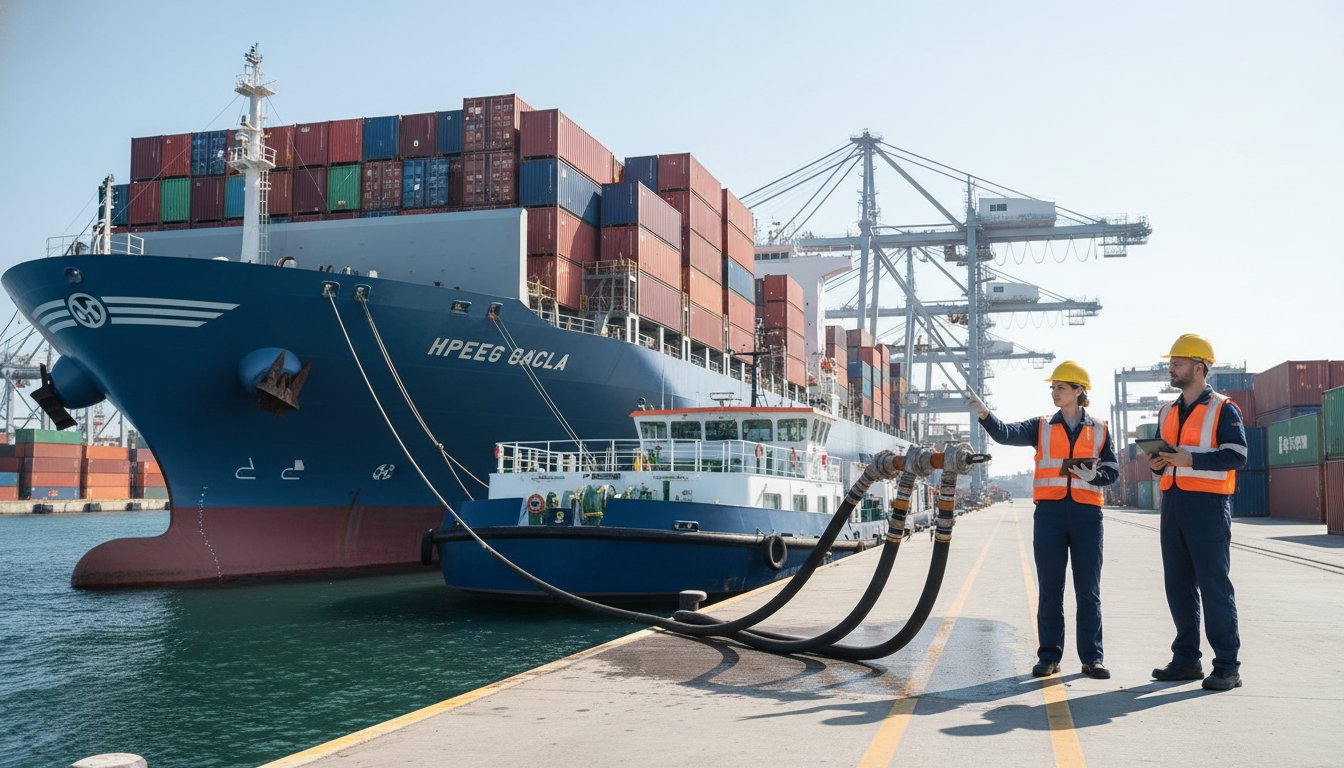
Over 85% of global vessel orders remain committed to conventional fuel types, making robust maritime fuel logistics the backbone of national security. This reliance exists in an era of unprecedented supply chain volatility and geopolitical risk. You understand the gravity of the situation. A single delivery delay or a batch of contaminated fuel doesn't just stall a ship; it compromises an entire national supply chain. Reliability is the only metric that matters when the stakes are this high. Zero downtime. Total compliance. Uninterrupted power.
This guide provides a strategic framework for managing high-volume bunkering for commercial fleets and super yachts. It's designed to help you achieve 100% operational continuity through strategic reserves and standardized quality control across multiple bunkering sites. We'll outline how to navigate the transition to ISO 8217:2024 standards and ensure compliance with the latest IMO safety declarations, including the mandatory fuel oil flashpoint requirements effective in 2026. You'll gain a clear path to minimizing procurement friction and securing your mission-critical energy needs against market instability.
Key Takeaways
- Understand the strategic role of fuel coordination in maintaining the operational continuity of commercial freight and high-integrity super yacht programs.
- Adhere to ASTM D975 and ISO 8217:2024 standards to guarantee fuel purity and prevent costly engine downtime during high-volume bunkering.
- Mitigate supply chain volatility in maritime fuel logistics by implementing strategic fuel reserves and redundant delivery protocols.
- Optimize procurement through detailed consumption audits and Service Level Agreements that prioritize precise delivery windows and fuel integrity.
- Evaluate the necessity of a dedicated energy partner to manage the complexities of multi-site bunkering and mission-critical infrastructure security.
What is Maritime Fuel Logistics in 2026?
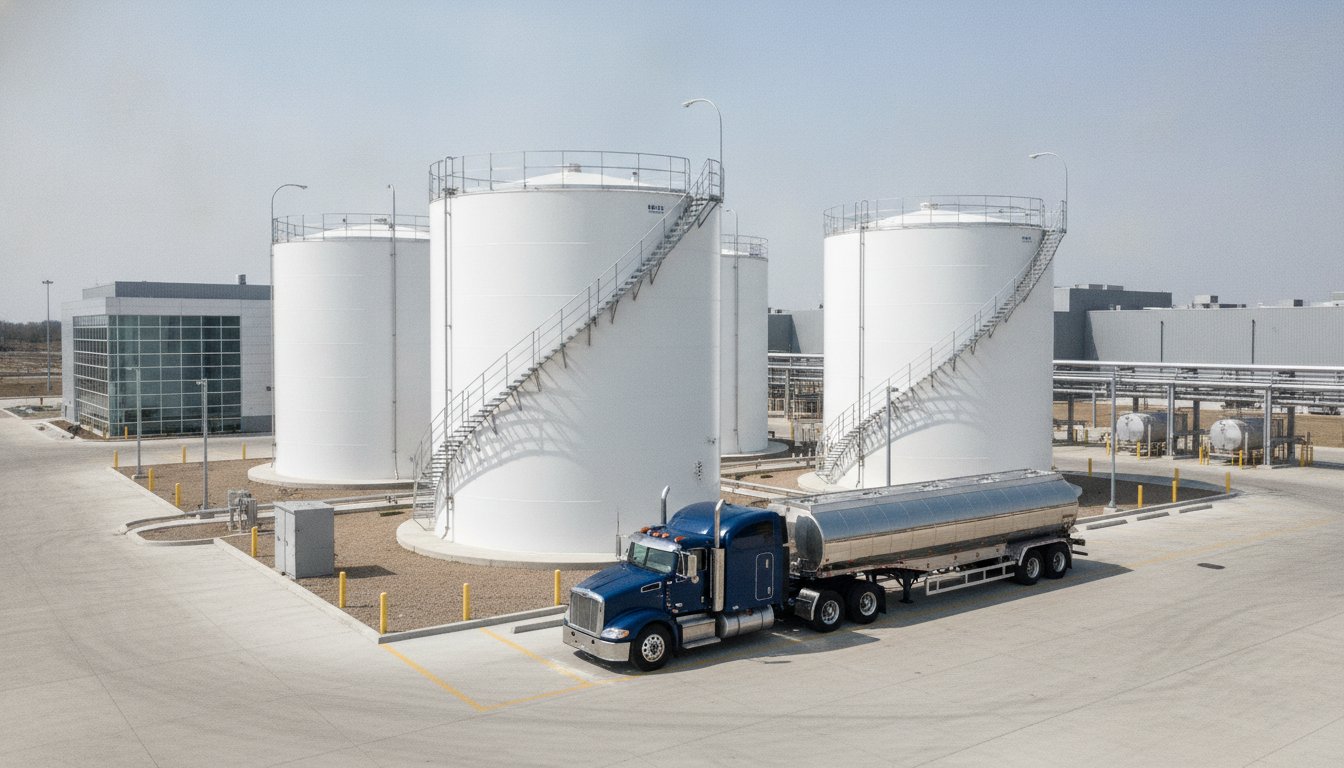
What is Maritime Fuel Logistics represents the strategic coordination of sourcing, transporting, and bunkering fuel for marine vessels. It's an energy management program that demands absolute precision. In 2026, this discipline has evolved beyond simple procurement. It now acts as the essential backbone of national maritime dominance and global trade. While retail fueling focuses on convenience, professional maritime fuel logistics prioritizes high-volume security and operational continuity. The scale is massive. It encompasses everything from heavy commercial freight carriers to high-integrity super yacht programs where fuel purity is non-negotiable.
Effective management in this sector requires a mission-critical mindset. You aren't just buying fuel; you're securing the ability to operate in a volatile market. With global energy markets facing disruptions from regional conflicts and evolving environmental mandates, a fragmented approach to fueling is a liability. Centralized logistics ensure that your fleet remains mobile, compliant, and cost-efficient regardless of localized shortages or price spikes.
The Critical Role of Bunkering
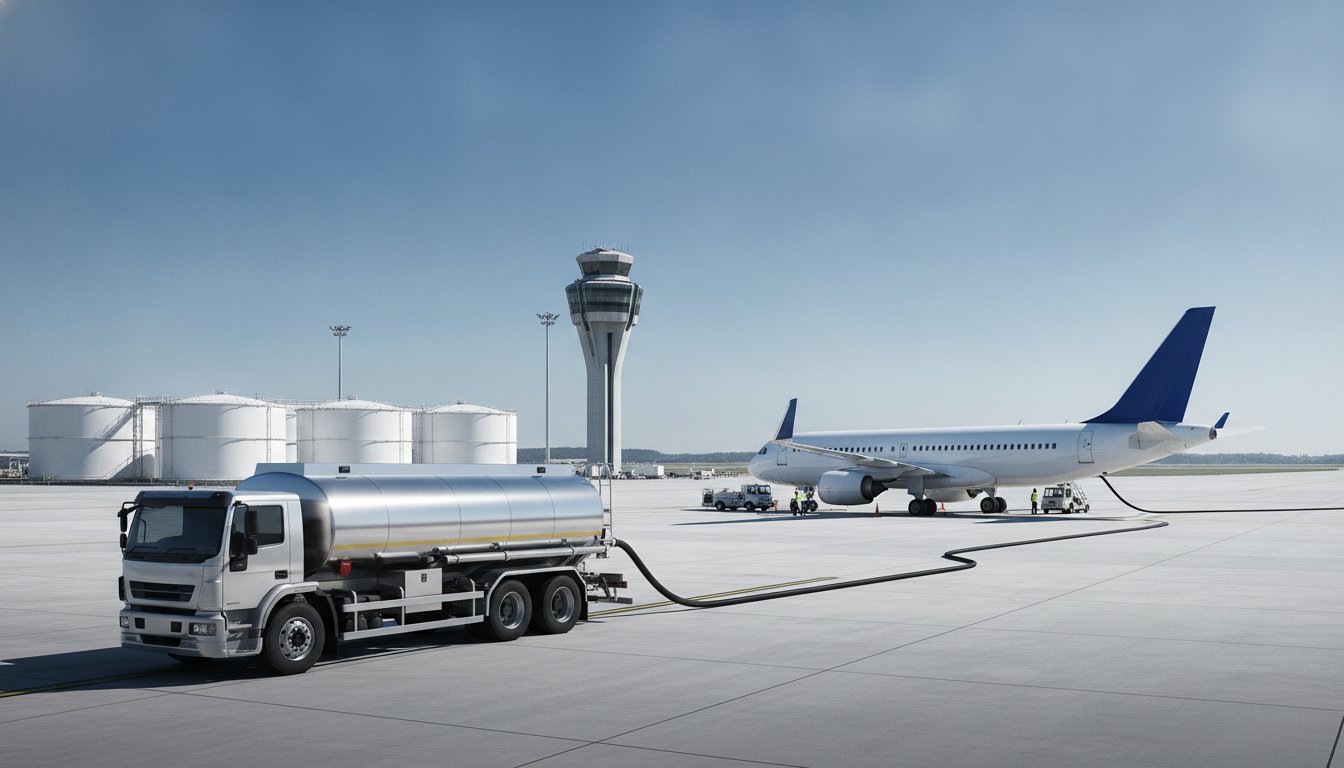
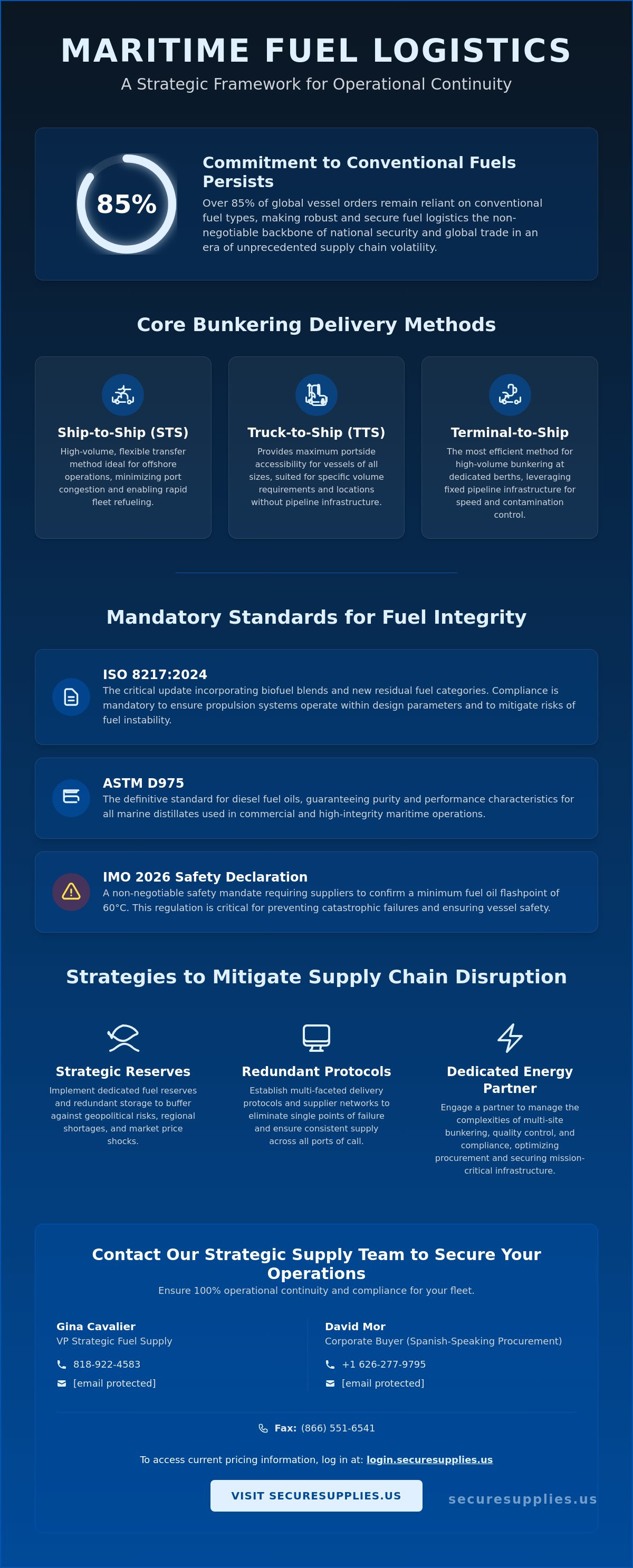
Bunkering is a high-stakes transfer of energy that directly dictates port turnaround times. Efficiency here is paramount. We categorize these operations into three primary delivery methods: ship-to-ship (STS), truck-to-ship (TTS), and terminal-to-ship. Each method carries specific logistical challenges. Speed and accuracy in these transfers don't just save time; they prevent the cascading costs of industrial downtime. When bunkering is handled with professional oversight, it eliminates the risks of contamination and quantity discrepancies that often plague unmanaged fueling events.
National Scope and Supply Chain Security
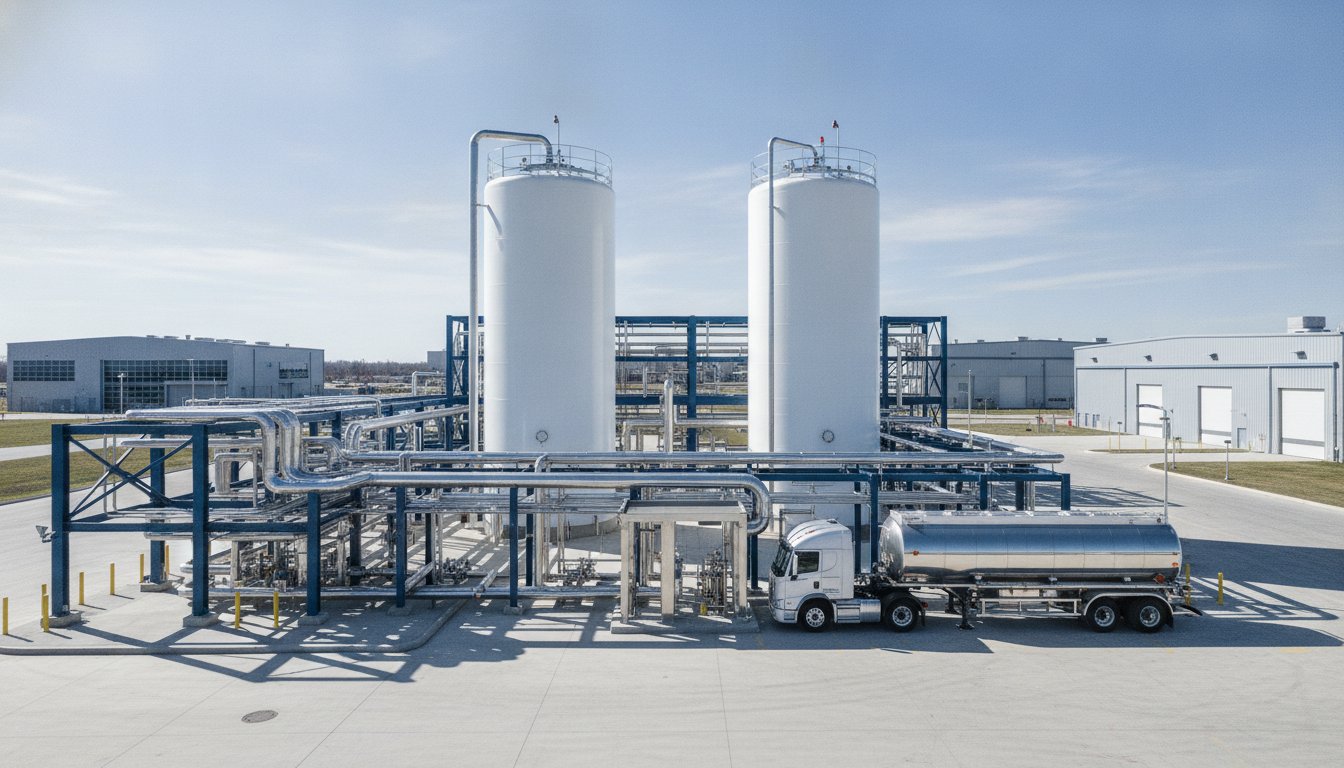
Managing fuel availability across diverse maritime hubs requires a strategy that ignores regional dependencies. Global volatility, particularly the ongoing tensions in the Middle East affecting critical chokepoints, has made domestic supply chain security a top priority for fleet managers. Utilizing a centralized bulk fuel delivery program ensures that quality and pricing remain consistent across all locations. This centralized model provides the redundancy needed to withstand market shocks and ensures that mission-critical infrastructure always has the reserves required for uninterrupted service.
To secure your maritime energy supply chain and ensure 100% operational continuity, contact our strategic supply team today. For current pricing information, please log in at login.securesupplies.us.
Gina Cavalier
VP Strategic Fuel Supply
Phone: 818-922-4583
Email: [email protected]
David Mor
Corporate Buyer (Spanish-Speaking Procurement)
Phone: +1 626-277-9795
Email: [email protected]
Fax: (866) 551-6541
Web: securesupplies.us
Standards and Fuel Integrity in Maritime Operations
Maintaining fuel integrity is the foundation of operational security within maritime fuel logistics. In the complex landscape of 2026, adherence to ASTM D975 and the updated ISO 8217:2024 standards is mandatory for all marine distillates. The transition to the 2024 edition is a critical shift because it incorporates biofuel blends and introduces new categories for residual fuels based on sulfur content. Compliance ensures that your propulsion systems operate within strict design parameters. We prioritize international standards for fuel integrity to mitigate the risks associated with fuel instability and microbial growth.
The logistical challenge of maintaining purity during high-volume transfers is immense. Every transfer point represents a potential contamination risk. Managing sulfur content isn't just about meeting IMO 2020 mandates; it's about navigating the stricter 2026 safety declarations. These require suppliers to confirm a minimum flashpoint of 60°C. Fuel testing and polishing are non-negotiable. They protect backup power systems and primary propulsion from catastrophic failure. If you're managing critical infrastructure, you can't afford to guess about fuel quality. It's better to request a technical consultation to audit your current storage protocols.
Marine Diesel and Super Yacht Fueling
High-performance engines in the super yacht sector demand ultra-clean marine diesel. These vessels often operate in environmentally sensitive areas where low-sulfur options are required by law. Beyond compliance, fuel quality directly impacts engine longevity and maintenance cycles. ISO 8217:2024 now allows for up to 100% Fatty Acid Methyl Ester (FAME) in certain fuel grades, which makes monitoring even more critical. Biofuels are prone to water absorption and degradation over time. Our bunkering programs emphasize discretion and meticulous handling. This prevents the costly downtime associated with clogged injectors or fuel pump wear.
Regulatory Compliance: EPA and DOT
Navigating federal regulations requires precise documentation and a deep understanding of current mandates. The EPA and DOT enforce strict standards for fuel transport and storage near waterways to prevent environmental incidents. Every delivery must meet these safety standards to ensure legal and operational security. Procurement teams must maintain detailed records for tax compliance and environmental audits, and many international operators partner with Customs and Trade Logistics to navigate the complexities of cross-border trade and compliance. We provide the transparency needed to streamline this process. It's a standard of professionalism that protects your license to operate in a volatile market.
To access current pricing information and market data, please log in at login.securesupplies.us.
Gina Cavalier
VP Strategic Fuel Supply
Phone: 818-922-4583
Email: [email protected]
David Mor
Corporate Buyer (Spanish-Speaking Procurement)
Phone: +1 626-277-9795
Email: [email protected]
Fax: (866) 551-6541
Web: securesupplies.us
Overcoming Disruption in Maritime Supply Chains
"Can fuel delivery be guaranteed during a crisis?" This is the most critical question facing fleet directors and procurement officers today. In an era of heightened geopolitical risk, the answer determines the survival of your operations. Disruptions aren't theoretical; they're operational realities. Geopolitical tensions frequently threaten critical maritime chokepoints, causing immediate ripples through global energy markets and localized supply chains. To maintain 100% operational continuity, maritime fuel logistics must move beyond "just-in-time" procurement toward a model of strategic preparedness.
Strategic fuel reserves act as the primary defense against operational downtime. Relying solely on immediate market availability leaves your fleet vulnerable to terminal outages, labor strikes, or sudden infrastructure failures. Beyond physical supply, you must mitigate the risks of fuel contamination that often occur during rushed transfers at congested ports. Logistical bottlenecks at major hubs can delay bunkering for days, stalling your schedule and inflating costs. Professional management identifies these vulnerabilities before they manifest as delays, ensuring your vessels remain mobile regardless of external market shocks.
Mission-Critical Redundancy Strategies
Developing a "fail-safe" supply chain requires securing multi-terminal access across your primary routes. If a specific terminal goes offline or faces a quality issue, your fleet shouldn't stop. Fuel redundancy is the practice of maintaining diverse supply nodes to bypass localized infrastructure failures. This involves establishing pre-arranged bunkering options at both primary and secondary locations. We prioritize 24/7 emergency response protocols to manage unforeseen disruptions, ensuring that backup power and propulsion are never compromised by a single point of failure.
Managing Market Volatility
Market volatility is a constant threat to maritime budgets. Global bunker prices for VLSFO and MGO LS fluctuate daily based on international events. Professional strategic bulk fuel logistics stabilize these costs by leveraging volume and fixed-price contractual frameworks. These structures protect you from sudden price spikes during regional instability. Transparency is essential for long-term planning. We provide professional procurement portals where you can monitor consumption and access real-time data, making the complex task of energy procurement streamlined and predictable.
To secure your maritime supply chain and protect your fleet from market disruption, contact our strategic supply team. For current pricing information and market data, please log in at login.securesupplies.us.
Gina Cavalier
VP Strategic Fuel Supply
Phone: 818-922-4583
Email: [email protected]
David Mor
Corporate Buyer (Spanish-Speaking Procurement)
Phone: +1 626-277-9795
Email: [email protected]
Fax: (866) 551-6541
Web: securesupplies.us
Strategic Procurement Guide: Optimizing Your Bunkering
Optimizing your energy supply starts with a rigorous audit of fleet consumption and peak demand. This isn't a surface-level review. You must analyze usage patterns across different routes and seasonal shifts to identify where your supply chain is most vulnerable. For fleet managers looking to enhance their operations through strategic vessel acquisition, BTR Marine Services LLC provides comprehensive support for the purchase and sale of marine assets. Integrating advanced fuel management software is the next logical step. These tools automate reordering and provide the real-time data necessary for high-stakes maritime fuel logistics. By removing manual tracking, you eliminate human error and ensure that your vessels never face a critical shortage due to administrative oversight.
Service Level Agreements (SLAs) are your primary tool for securing operational continuity. These documents must prioritize two factors above all else: delivery windows and fuel purity. A delay of even a few hours can disrupt an entire logistics network. Your SLAs should include specific penalties for non-compliance and clear protocols for fuel testing at the point of transfer. Review the safety and compliance records of your bunkering partners every year. Ensure they maintain the highest standards for environmental protection and transport safety. Infrastructure ownership is another key differentiator. Suppliers who own their terminals and logistics fleets offer a level of control and reliability that brokers simply cannot match.
Defining Your Fueling Program
Customizing delivery schedules to match vessel arrival and departure windows is essential for port efficiency. A dedicated fueling program reduces procurement overhead by centralizing billing and reporting. It also ensures that all necessary fluids are available in a single bunkering event. Modern engines equipped with Selective Catalytic Reduction (SCR) systems require a steady DEF and AdBlue supply to remain compliant with international emissions standards. Integrating these requirements into your primary fuel contract prevents separate logistical bottlenecks and simplifies your compliance documentation.
Evaluating Supplier Reliability
Ask hard questions about terminal access and the age of the logistics fleet. You need to know that your supplier has the physical assets to meet mission-critical demands during a market spike or infrastructure failure. A dedicated account manager is non-negotiable for complex maritime operations. You require a strategic partner who understands your fleet's specific requirements and can provide immediate solutions when schedules change. If your current provider can't guarantee this level of attention, it's time to request a comprehensive supply chain audit from a professional logistics architect.
To access current pricing information and manage your procurement, please log in at login.securesupplies.us.
Gina Cavalier
VP Strategic Fuel Supply
Phone: 818-922-4583
Email: [email protected]
David Mor
Corporate Buyer (Spanish-Speaking Procurement)
Phone: +1 626-277-9795
Email: [email protected]
Fax: (866) 551-6541
Web: securesupplies.us
Secure Supplies Group: Your Mission-Critical Maritime Partner
Secure Supplies Group operates as a strategic guardian for the most demanding commercial sectors. We provide high-volume energy solutions where operational failure is not an option. Our approach to maritime fuel logistics is built on the reality of industrial scale and the necessity of absolute fuel integrity. We manage the minute details of delivery and compliance so that your facility directors and fleet managers can focus on primary operations. Whether you're coordinating a national logistics network or a localized bunkering program, our infrastructure ensures that your energy supply remains a constant, reliable asset.
Specialized bunkering for super yachts requires a level of precision and discretion that standard commercial providers often lack. These vessels demand ultra-low sulfur fuels and high-purity distillates that meet the most stringent engine manufacturer specifications. We understand that for a super yacht, fuel contamination isn't just a maintenance issue; it's a significant operational risk. Our dedicated programs for high-integrity fleets prioritize batch-tested fuel and meticulous transfer protocols. This commitment to quality extends across our entire national network, providing a steady hand in an often volatile global market.
The Secure Supplies Advantage
Large-scale energy solutions require more than just transportation; they require a partner with expertise in complex energy infrastructure. We focus on multi-site programs where redundancy and foresight are the primary requirements. Our national reach allows us to secure supply chains across the United States, providing a consistent standard of service from major maritime hubs to remote coastal facilities. Every bunkering operation we manage is executed with a mission-critical mindset, ensuring that your critical infrastructure remains powered and protected against market shocks.
Get Started with Professional Bunkering
Securing your maritime energy supply starts with a direct consultation with our strategic procurement experts. We help you design a resilient fueling program that accounts for peak demand and regulatory shifts. To manage your account and access real-time pricing data, please log in at login.securesupplies.us. Our team is ready to provide the logistical architecture your fleet requires to maintain 100% operational continuity. Don't leave your fuel security to chance; contact our team today to establish a dedicated bunkering program.
Gina Cavalier
VP Strategic Fuel Supply
Phone: 818-922-4583
Email: [email protected]
David Mor
Corporate Buyer (Spanish-Speaking Procurement)
Phone: +1 626-277-9795
Email: [email protected]
Fax: (866) 551-6541
Web: securesupplies.us
Securing Your Fleet’s Energy Infrastructure
Transitioning to a high-integrity bunkering program requires a strategic guardian rather than a simple vendor. You’ve seen how adherence to ISO 8217:2024 and the implementation of redundancy protocols prevent costly industrial downtime. By leveraging national bulk delivery infrastructure and specialized super yacht bunkering programs, you insulate your operations from global market volatility. Professional maritime fuel logistics isn't a commodity; it's the essential backbone of your fleet's success. It demands a partner who understands the gravity of downtime and the necessity of fuel purity.
Our mission-critical fuel security experts are ready to architect a resilient supply chain for your organization. To access current market data and manage your procurement, please log in at login.securesupplies.us. Take control of your energy future today and ensure your vessels remain mobile regardless of market shifts. We're committed to your operational continuity and long-term stability.
Request a Strategic Maritime Fuel Quote
Gina Cavalier
VP Strategic Fuel Supply
Phone: 818-922-4583
Email: [email protected]
David Mor
Corporate Buyer (Spanish-Speaking Procurement)
Phone: +1 626-277-9795
Email: [email protected]
Fax: (866) 551-6541
Web: securesupplies.us
Frequently Asked Questions
What is the difference between MDO and MGO in maritime logistics?
MGO is a pure distillate fuel, whereas MDO is a blend of distillates and residual fuel oil. MGO offers lower viscosity and higher purity, making it ideal for high-speed engines and operations in Emission Control Areas. MDO provides a higher energy density for medium-speed engines. Choosing between them depends on your vessel's engine specifications and regional environmental mandates.
How do maritime fuel logistics companies ensure fuel quality during delivery?
We ensure quality through continuous drip sampling and independent laboratory analysis at the point of transfer. Every delivery is verified against ISO 8217:2024 standards to confirm viscosity, density, and water content. We also monitor flashpoints to meet the 60°C safety requirement effective in 2026. This rigorous testing protocol prevents engine damage and ensures that every transfer meets mission-critical integrity standards.
What are the current sulfur regulations for maritime fuel in 2026?
The global sulfur cap remains at 0.50% for most international waters and 0.10% within designated Emission Control Areas. However, 2026 regulations introduce mandatory fuel oil safety declarations regarding flashpoints. Suppliers must now provide documented proof that the fuel's flashpoint is not less than 60°C. Compliance also involves navigating the expanded biofuel categories introduced in the latest ISO 8217:2024 updates.
Can Secure Supplies Group handle emergency bunkering for large fleets?
Yes, Secure Supplies Group maintains 24/7 emergency response protocols for maritime fuel logistics. We utilize a national network of strategic reserves and multi-terminal access to bypass localized shortages. Our team specializes in high-volume, mission-critical delivery when standard supply chains fail. We prioritize operational continuity to ensure your fleet remains mobile during unforeseen market disruptions or infrastructure outages.
How does bunkering logistics differ for super yachts compared to commercial vessels?
Super yacht bunkering demands higher purity distillates and greater discretion than commercial operations. These vessels often use high-performance engines that are sensitive to even minor contamination. Logistics for super yachts focus on batch-tested low-sulfur fuels and specialized handling to prevent spills or aesthetic damage. Commercial bunkering emphasizes high-volume throughput and port efficiency for large-scale freight carriers.
What documentation is required for maritime fuel procurement in the US?
Procurement in the US requires a Bunker Delivery Note (BDN), representative fuel samples, and a Safety Data Sheet (SDS). You must also maintain documentation for EPA and DOT compliance, including transport manifests for fuel moved near waterways. Tax exemption certificates and proof of insurance are often mandatory for commercial transfers. Accurate record-keeping is essential for federal audits and environmental reporting.
How does a dedicated fueling program improve fleet efficiency?
A dedicated program improves efficiency by centralizing procurement and automating reorder points. It eliminates the administrative burden of managing multiple vendors and disparate delivery schedules. By aligning bunkering windows with vessel arrival times, you minimize port stay durations and reduce the risk of costly delays. This strategic approach ensures consistent fuel quality and predictable pricing across your entire fleet.
What role does DEF play in maritime fuel logistics?
DEF is required for modern vessels equipped with Selective Catalytic Reduction (SCR) systems to reduce nitrogen oxide emissions. Integrating DEF supply into maritime fuel logistics ensures that your fleet meets IMO Tier III standards without separate procurement cycles. We provide high-purity DEF alongside bulk fuel to streamline your supply chain. This combined delivery model prevents compliance gaps and simplifies onboard fluid management.
To access current pricing information and manage your procurement, please log in at login.securesupplies.us.
Gina Cavalier
VP Strategic Fuel Supply
Phone: 818-922-4583
Email: [email protected]
David Mor
Corporate Buyer (Spanish-Speaking Procurement)
Phone: +1 626-277-9795
Email: [email protected]
Fax: (866) 551-6541
Web: securesupplies.us
Disclaimer
The information provided in this article is for general informational purposes only and does not constitute professional, legal, safety, or financial advice. Fuel and energy product specifications, pricing, availability, and regulatory requirements vary by location, application, and over time, and may differ from the general information presented here. Secure Supplies makes no warranties regarding the accuracy, completeness, or current applicability of this content. Handling, storage, and use of fuels and industrial gases can be hazardous and should always follow applicable laws, manufacturer guidance, and qualified professional advice. For current specifications, pricing, and tailored supply solutions, please contact Secure Supplies directly.