A single purity deviation can halt a multi-site clinical operation instantly. You know that maintaining a reliable medical grade nitrogen supply is no longer just about procurement; it's about institutional security. With the FDA final rule effective as of December 18, 2025, the stakes for regulatory compliance are absolute. You're managing the pressure of tighter USP standards while eliminating the risk of contamination in sensitive environments.
This guide serves as a technical blueprint for facility directors who prioritize operational continuity. You'll gain a clear understanding of the new Current Good Manufacturing Practices (cGMPs) under 21 CFR part 213 and the strategic logistics required for high-volume gas programs. We'll detail how to achieve full regulatory compliance and establish an uninterrupted supply chain that removes the guesswork from your procurement process.
Secure your infrastructure today. Contact Gina Cavalier, VP Strategic Fuel Supply, at 818-922-4583 or [email protected]. For Spanish-speaking procurement, reach out to David Mor, Corporate Buyer for Secure Supplies Group, at +1 626-277-9795 or [email protected]. Both share the fax number (866) 551-6541. Log in at login.securesupplies.us to access current pricing information.
Key Takeaways
- Identify the mandatory USP and NF purity requirements that differentiate a medical grade nitrogen supply from standard industrial alternatives.
- Apply specialized handling protocols for nitrogen used as a sterile displacement medium and in cryogenic biological preservation.
- Navigate complex regulatory frameworks, including 21 CFR part 213 and FDA requirements for gases classified as designated medical products.
- Transition to high-volume bulk liquid systems equipped with telemetry to maintain mission-critical redundancy and eliminate supply chain disruptions.
- Streamline procurement by selecting partners who offer transparent pricing and direct access to strategic supply chain leadership.
Understanding Medical Grade Nitrogen: USP and NF Standards
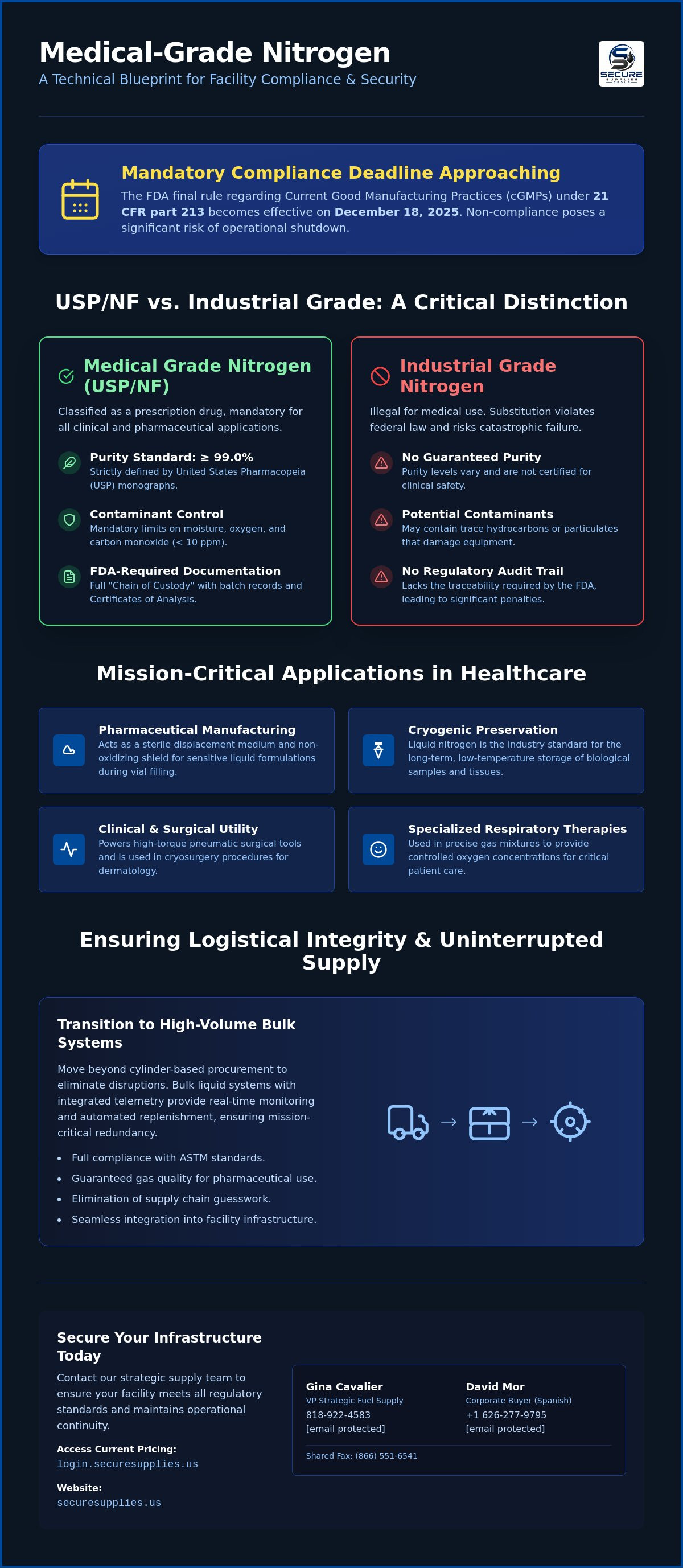
Nitrogen NF (National Formulary) acts as a critical utility in healthcare and pharmaceutical environments. It is not a standard industrial commodity. A reliable medical grade nitrogen supply requires strict adherence to the United States Pharmacopeia (USP) monographs. These standards classify the gas as a prescription drug, mandating rigorous production and handling protocols that industrial alternatives do not meet. The 99.0% minimum purity threshold is the baseline for clinical safety. Any deviation compromises the integrity of medical gas supply systems, potentially endangering patient outcomes and sensitive laboratory assets.
Compliance is non-negotiable. Facilities must align their procurement with the latest ASTM standards to certify gas quality for pharmaceutical use. These standards ensure the gas remains inert, preventing unwanted chemical reactions during drug formulation or medical device manufacturing. Secure Supplies Group acts as a logistics architect, ensuring your infrastructure meets these exact specifications without exception.
Chemical Properties and Purity Thresholds
Medical nitrogen must be colorless and odorless. Beyond the 99.0% purity requirement, strict limits exist for moisture, oxygen, and carbon monoxide contaminants. Excessive moisture leads to system corrosion or microbial growth within delivery lines. Carbon monoxide levels must remain below 10 ppm to prevent toxicity in clinical applications. Testing protocols are mandatory at every intake. Facilities verify gas integrity through analytical certificates that confirm compliance with USP standards. This level of scrutiny ensures the gas remains safe for high-stakes environments, such as surgical suites and research labs.
USP vs. Industrial Grade: Key Differences
Industrial nitrogen lacks the "Chain of Custody" documentation required by the FDA. You cannot substitute industrial grade in a medical setting without violating federal law. Industrial gases often contain trace hydrocarbons or particulates that damage precision medical equipment. Documentation for a medical grade nitrogen supply includes detailed batch records and certificates of analysis. These records provide a transparent audit trail, ensuring every cubic foot of gas is traceable back to its production source. Failure to maintain this standard risks significant regulatory penalties and immediate operational shutdowns.
Maintain your facility's compliance and operational security. Contact Gina Cavalier, VP Strategic Fuel Supply, at 818-922-4583 or [email protected]. For Spanish-speaking procurement, contact David Mor, Corporate Buyer for Secure Supplies Group, at +1 626-277-9795 or [email protected]. Both contacts share the fax number (866) 551-6541. Log in at login.securesupplies.us to access current pricing information and secure your supply chain.
Primary Applications in Healthcare and Pharmaceutical Manufacturing
A resilient medical grade nitrogen supply is essential for maintaining sterile environments and operational efficiency. It isn't just a gas; it's a critical utility. It acts as a primary displacement medium to purge oxygen from medical equipment, preventing contamination before use. High-purity nitrogen is also a mission-critical propellant for pressurized pharmaceutical delivery systems, ensuring consistent dosage and safety. In vial filling operations, nitrogen creates a non-oxidizing environment, shielding sensitive liquid formulations from atmospheric degradation. Maintaining FDA regulatory compliance throughout these processes is mandatory for any facility prioritizing patient safety and product integrity.
Clinical and Surgical Utility
Operating theaters rely on nitrogen to power pneumatic surgical tools. These high-torque instruments require a consistent, dry gas supply to function without mechanical failure. Nitrogen gas mixtures also play a role in specialized respiratory therapies, providing controlled concentrations for patient care. In dermatological settings, liquid nitrogen is the standard for cryosurgery and the long-term storage of biological samples. Each of these applications depends on a supply chain that eliminates the risk of downtime. Evaluating your current bulk gas requirements ensures your facility remains prepared for peak demand.
Pharmaceutical Production and Packaging
Stability is the priority in pharmaceutical manufacturing. Nitrogen blanketing protects sensitive compounds by replacing reactive oxygen with an inert atmosphere. This process prevents the oxidation of active pharmaceutical ingredients (APIs), extending shelf life and ensuring efficacy. Production teams use nitrogen for purging pipelines and vessels between batches to maintain sterile manufacturing conditions. This rigorous cleaning protocol prevents cross-contamination and meets the high-stakes requirements of modern drug production. Effective packaging then uses nitrogen to displace air within blister packs and containers, securing the product's chemical stability from the factory to the pharmacy shelf.
Secure your facility's operational backbone with a partner focused on mission-critical logistics. Contact Gina Cavalier, VP Strategic Fuel Supply, at 818-922-4583 or [email protected]. For procurement in Spanish, contact David Mor, Corporate Buyer for Secure Supplies Group, at +1 626-277-9795 or [email protected]. Both share the fax number (866) 551-6541. Log in at login.securesupplies.us to view current pricing and inventory levels.
Regulatory Compliance: Safety Standards and Handling Protocols
Compliance isn't a suggestion. It's the foundation of operational safety in healthcare and pharmaceutical sectors. NFPA 99 (Health Care Facilities Code) sets the mandatory requirements for gas system performance, maintenance, and testing. Because the FDA classifies nitrogen as a prescription drug, every entity in the chain must follow stringent labeling and reporting protocols. The FDA Final Rule on Medical Gas Regulation issued in June 2024 clarifies these Current Good Manufacturing Practice (CGMP) requirements. It streamlines the certification process while tightening safety reporting. This ensures your medical grade nitrogen supply remains traceable and safe for high-stakes clinical use.
Logistics and transport fall under Department of Transportation (DOT) jurisdiction. High-pressure cylinders and bulk liquid vessels must meet specific structural integrity standards to prevent catastrophic failure during transit. OSHA standards further protect the personnel handling these gases. They mandate rigorous training on high-pressure systems and cryogenic safety. If your facility hasn't updated its safety protocols to reflect the 2025/2026 regulatory shifts, you're facing significant liability risks.
Storage and Facility Requirements
Facility managers must enforce strict storage protocols to protect personnel and assets. Proper ventilation is essential to prevent gas buildup in enclosed spaces. Install oxygen depletion alarms in any area where nitrogen is stored or used in bulk. These systems provide immediate warnings of leaks that could cause asphyxiation. Segregate medical gases from flammable materials at all times. Adhere to standardized color-coding for rapid identification. This includes Green, Black, and Yellow labeling to distinguish between different gas types and prevent hazardous cross-connections within your infrastructure.
Transport and Handling Safety
Transporting liquid nitrogen requires DOT-approved cryogenic vessels designed for extreme temperature stability. Handling these materials introduces risks of cryogenic burns and rapid oxygen displacement. Safety protocols must include the use of personal protective equipment (PPE) and emergency response training for asphyxiation scenarios. Additionally, EPA guidelines govern the environmental impact of industrial gas infrastructure. These rules ensure that large-scale storage tanks and delivery systems don't compromise local safety standards. Maintaining a secure supply chain requires a partner who understands these layered requirements. You can request a compliance audit to verify your current storage and handling setup.
Secure your operations with a logistics partner that prioritizes regulatory precision. Contact Gina Cavalier, VP Strategic Fuel Supply, at 818-922-4583 or [email protected]. For Spanish-speaking procurement, contact David Mor, Corporate Buyer for Secure Supplies Group, at +1 626-277-9795 or [email protected]. Both share the fax number (866) 551-6541. Log in at login.securesupplies.us to access current pricing and procurement data.
Logistical Integrity: Managing Bulk Nitrogen Supply Chains
Logistical failure in a clinical environment is unacceptable. Relying on manual cylinder exchanges for a medical grade nitrogen supply introduces unnecessary human error and supply chain vulnerability. Transitioning to bulk liquid nitrogen systems eliminates the constant need for manual handling. It provides a more stable, higher-capacity solution for facilities with high-volume demands. Implementing telemetry is the next logical step. Real-time tank level monitoring allows for automated replenishment, ensuring you never face an empty tank during a critical procedure. This approach aligns with a broader Industrial Gas Supply Chain Security framework designed for the complexities of 2026. Precision in delivery is just as vital as gas purity.
Bulk vs. Micro-Bulk Delivery Models
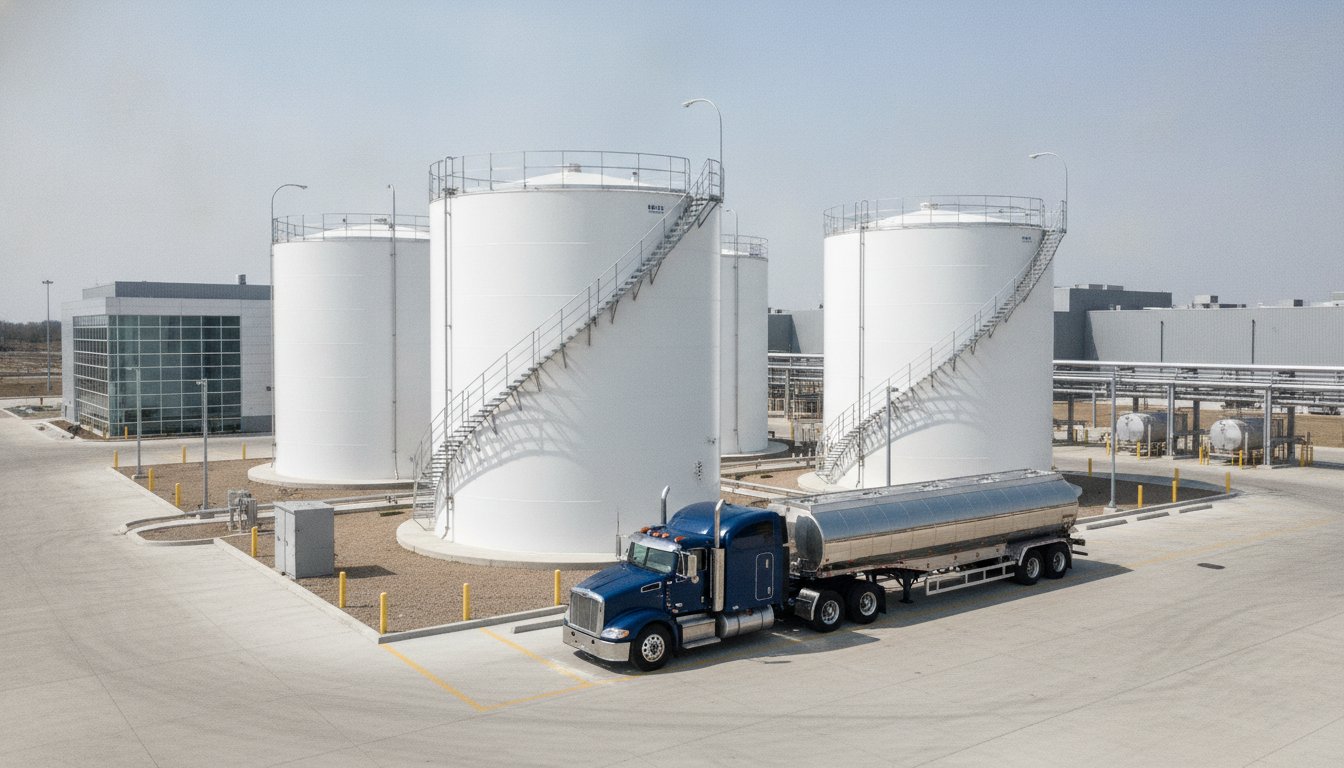
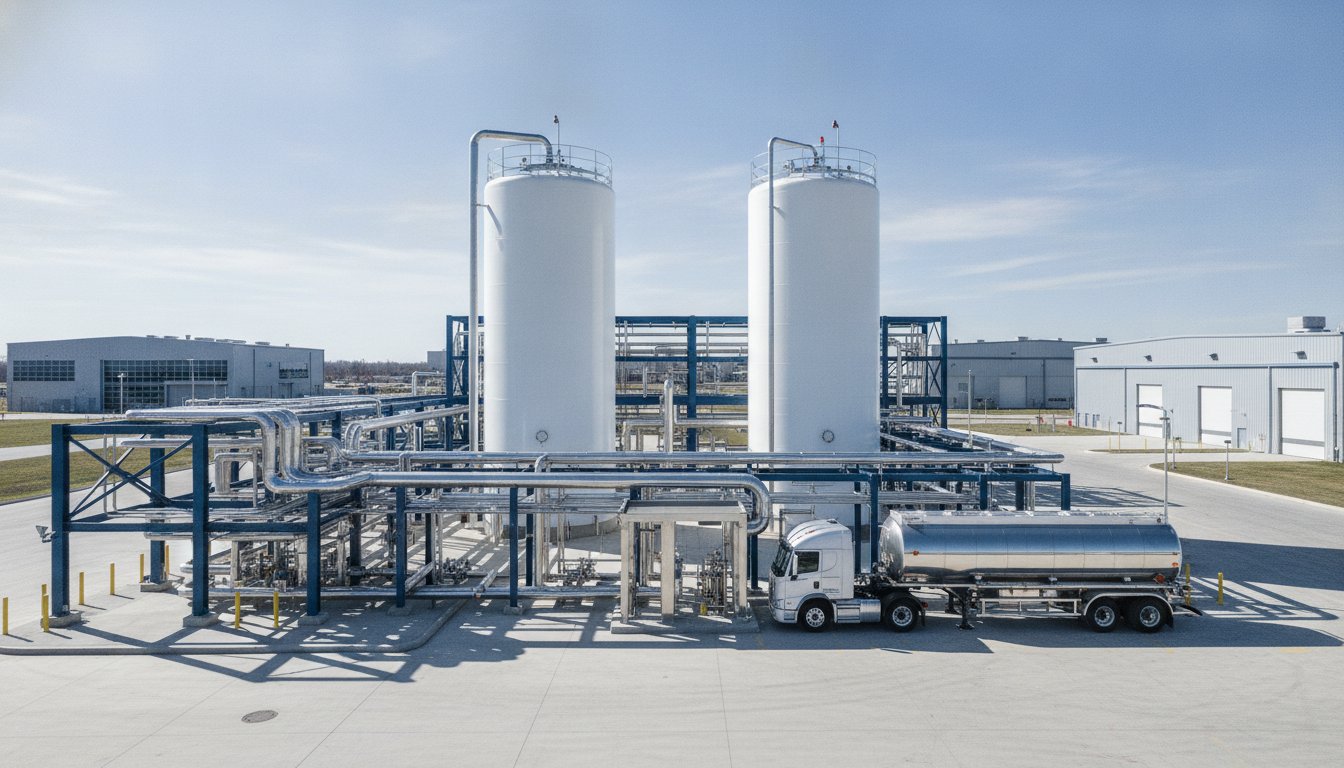
Choosing between bulk and micro-bulk delivery depends on your specific consumption profile. Regional healthcare networks often benefit from large-scale bulk procurement. This model utilizes high-capacity, vacuum-insulated tanks that store nitrogen in its liquid state. Liquid nitrogen offers a significant logistical advantage; it occupies 1/694th of the volume of its gaseous counterpart. This density allows for fewer deliveries and reduced site traffic, lowering the risk of facility disruptions. Micro-bulk systems serve facilities with moderate needs. They provide the benefits of liquid storage without the footprint of a full-scale bulk tank. Determining the optimal delivery frequency is a data-driven process. It requires analyzing peak usage periods to prevent outages during high-demand cycles.
Mission-Critical Redundancy
Zero-downtime is the only acceptable standard for critical care facilities. Redundancy planning involves more than just a large tank. It requires designing backup systems, such as reserve cylinder manifolds, that activate automatically if the primary storage fails. Service Level Agreements (SLAs) must specify emergency gas replenishment timelines. Your partner should guarantee response times that match the urgency of your medical or pharmaceutical operations. Integrating gas supply into your broader energy infrastructure plans ensures that nitrogen remains available even during power failures or regional logistics disruptions. This level of foresight defines a true logistics architect. It transforms a simple utility into a resilient asset.
Ensure your facility's resilience by upgrading your infrastructure today. Request a custom bulk supply quote to secure your operational continuity and eliminate the risk of downtime.
Contact Gina Cavalier, VP Strategic Fuel Supply, at 818-922-4583 or [email protected]. For Spanish-speaking procurement, contact David Mor, Corporate Buyer for Secure Supplies Group, at +1 626-277-9795 or [email protected]. Both share the fax number (866) 551-6541. Log in at login.securesupplies.us to access current pricing information.
Strategic Procurement: Securing a Reliable Gas Supply Partner
Procurement represents the final layer of institutional security. Securing a medical grade nitrogen supply is a strategic commitment that goes far beyond simple price-per-unit metrics. Evaluate potential partners based on their historical compliance record and their ability to withstand rigorous audits. Many providers offer direct ordering but lack the strategic context required for high-volume clinical operations. You need a partner who views gas supply as a mission-critical utility. This requires a shift in mindset from transactional purchasing to long-term asset management. Our comprehensive reference on Industrial Gas Supply Contracts outlines the specific legal and logistical clauses necessary to protect your facility from supply chain volatility.
Enterprise Procurement Framework
Focus on price stability and audit trails to maintain operational continuity. Long-term supply agreements must include clear language regarding delivery priority during regional logistics disruptions. Verify that your provider is fully prepared for unannounced inspections and maintains meticulous batch records. Accessing real-time data is essential for modern facility management. Use login.securesupplies.us to track current pricing and inventory levels across all your sites. This level of transparency eliminates the uncertainty of traditional gas procurement. It allows your team to make data-driven decisions that impact the bottom line and ensure regulatory adherence.
The Secure Supplies Advantage
Secure Supplies Group acts as a strategic guardian for your industrial and clinical infrastructure. We manage the minute details of gas delivery so you can focus on core operations. Our national logistics network ensures a consistent medical gas supply regardless of local market shifts. We often integrate nitrogen programs with other mission-critical services like bulk fuel delivery to provide a single point of accountability for facility resilience. This integrated approach simplifies procurement and strengthens your overall energy security. Our team provides expert consultation for large-scale infrastructure projects, helping you design systems that meet the most demanding USP and FDA standards. Choose a partner committed to your operational success.
Secure your infrastructure today. Contact Gina Cavalier, VP Strategic Fuel Supply, at 818-922-4583 or [email protected]. For Spanish-speaking procurement, contact David Mor, Corporate Buyer for Secure Supplies Group, at +1 626-277-9795 or [email protected]. Both contacts share the fax number (866) 551-6541. Additionally, log in at login.securesupplies.us to access current pricing information.
Securing Your Clinical Infrastructure for 2026 and Beyond
Operational continuity in healthcare and pharmaceutical sectors depends on more than just a utility provider; it requires a strategic guardian. We've established that a resilient medical grade nitrogen supply is built on unwavering adherence to USP purity standards and the latest FDA Good Manufacturing Practices. Moving from manual cylinder exchanges to bulk liquid systems equipped with real-time telemetry is the most efficient way to eliminate the risk of industrial downtime. Redundancy planning must be a core component of your energy infrastructure to ensure zero-downtime for critical care environments. It's a high-stakes environment where failure isn't an option.
Secure Supplies Group offers the national footprint and specialized mission-critical expertise necessary to manage these requirements. We provide direct access to strategic supply leadership to help you navigate complex procurement and regulatory challenges. Trust your infrastructure to a partner that understands the gravity of your daily operations. Contact Secure Supplies Group for Strategic Gas Procurement to stabilize your supply chain today.
For comprehensive support, visit securesupplies.us or contact our strategic team directly:
Gina Cavalier, VP Strategic Fuel Supply
818-922-4583 | [email protected]
David Mor, Corporate Buyer (Spanish-speaking procurement)
+1 626-277-9795 | [email protected]
Fax: (866) 551-6541
Log in at login.securesupplies.us to access current pricing information.
Frequently Asked Questions
What is the difference between USP Nitrogen and industrial nitrogen?
USP Nitrogen (NF) is classified as a drug and must meet a 99.0% minimum purity threshold with strict limits on moisture and carbon monoxide. Industrial nitrogen does not require the same chain-of-custody documentation or FDA-validated testing. Using anything other than a certified medical grade nitrogen supply in a clinical setting violates 21 CFR part 213 regulations and risks patient safety.
How is medical grade nitrogen stored in large-scale healthcare facilities?
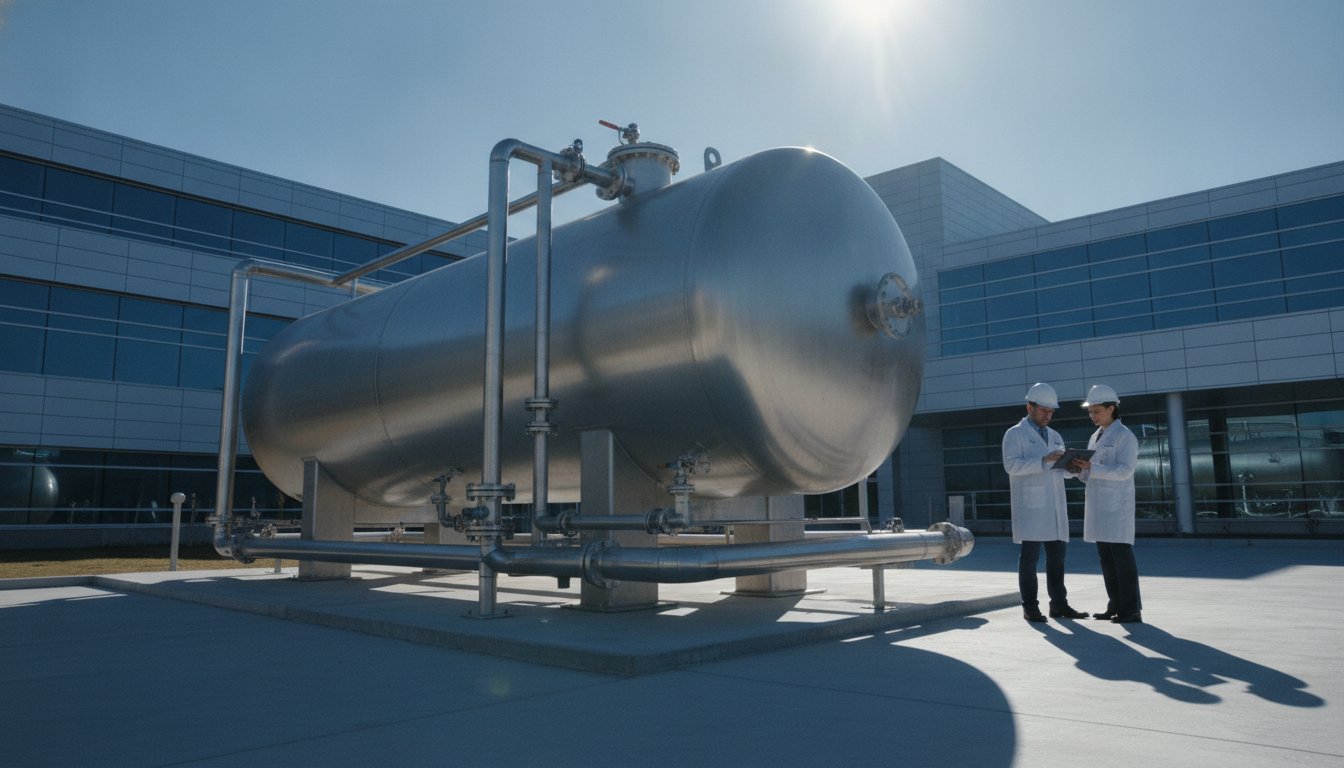
Large facilities utilize bulk liquid nitrogen stored in vacuum-insulated tanks located outside the main building. These systems use telemetry to monitor levels and provide a steady supply through a centralized manifold. This setup maintains the cryogenic temperatures necessary for liquid storage while allowing for gaseous distribution throughout the facility's medical gas piping.
What are the FDA requirements for medical gas labeling?
FDA regulations mandate that all medical gas containers include a label identifying the contents as "Nitrogen NF" along with the "Rx only" designation. Labels must also feature the manufacturer's name, batch number, and specific safety warnings regarding high pressure and asphyxiation risks. Failure to maintain these labeling standards can result in immediate regulatory citations during facility audits.
Can nitrogen be used to power surgical tools safely?
Nitrogen is the preferred medium for powering pneumatic surgical tools in operating theaters because it is dry and inert. It prevents the internal corrosion and mechanical failure that can occur when using standard medical air. Proper pressure regulation is required to ensure these high-torque instruments operate within the manufacturer's specified parameters during critical procedures.
How much nitrogen is required for pharmaceutical blanketing?
The required volume is calculated based on the vessel size and the specific sensitivity of the compound being protected. The objective is to maintain a positive pressure environment that keeps oxygen levels below 1% within the headspace. This displacement prevents the oxidation of active pharmaceutical ingredients and ensures the chemical stability of the final product.
What safety measures prevent nitrogen-related asphyxiation in labs?
Laboratories must install oxygen depletion sensors equipped with audible and visual alarms to detect leaks immediately. Since nitrogen is odorless and colorless, these sensors provide the only reliable warning of a hazardous atmosphere. Facilities should also implement high-rate ventilation systems that ensure a minimum number of air changes per hour in areas where bulk gas is used.
How does bulk liquid nitrogen delivery improve cost efficiency?
Bulk liquid delivery lowers the unit cost of gas by eliminating the labor and transport fees associated with individual cylinder handling. The high density of liquid nitrogen allows for fewer deliveries, which reduces site traffic and administrative overhead. Transitioning to a bulk medical grade nitrogen supply also minimizes gas waste by utilizing high-capacity storage that experiences lower boil-off rates than smaller vessels.
What role does nitrogen play in vaccine and tissue preservation?
Nitrogen provides the cryogenic temperatures, often below -150 degrees Celsius, necessary for the vitrification of biological materials. This process stops all biological activity, allowing for the long-term storage of vaccines, stem cells, and reproductive tissues without cellular degradation. It acts as the essential thermal backbone for modern biobanking and pharmaceutical cold chains.
Secure your facility’s mission-critical supply today. Contact Gina Cavalier, VP Strategic Fuel Supply, at 818-922-4583 or [email protected]. For Spanish-speaking procurement, contact David Mor, Corporate Buyer for Secure Supplies Group, at +1 626-277-9795 or [email protected]. Both share the fax number (866) 551-6541. Log in at login.securesupplies.us to access current pricing information.
Disclaimer
The information provided in this article is for general informational purposes only and does not constitute professional, legal, safety, or financial advice. Fuel and energy product specifications, pricing, availability, and regulatory requirements vary by location, application, and over time, and may differ from the general information presented here. Secure Supplies makes no warranties regarding the accuracy, completeness, or current applicability of this content. Handling, storage, and use of fuels and industrial gases can be hazardous and should always follow applicable laws, manufacturer guidance, and qualified professional advice. For current specifications, pricing, and tailored supply solutions, please contact Secure Supplies directly.